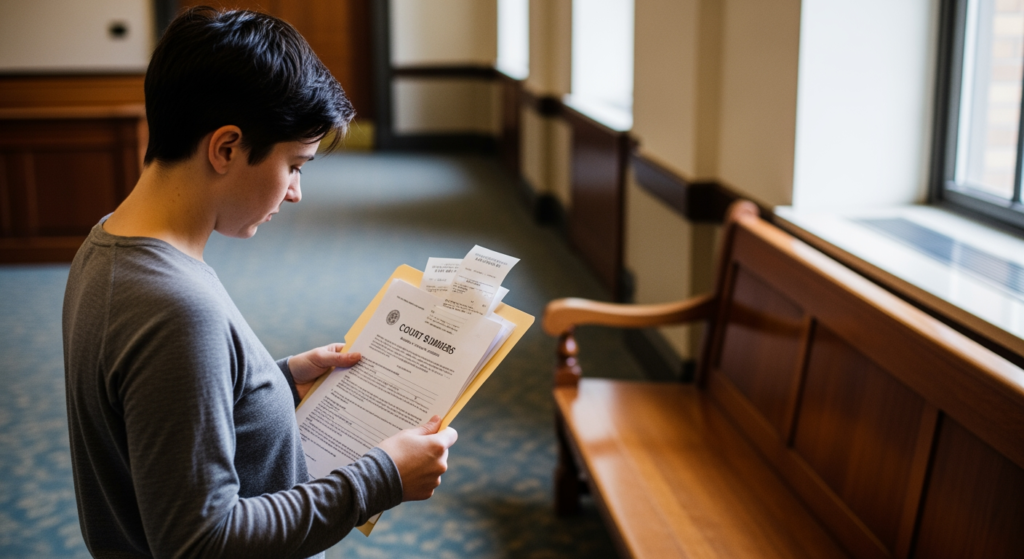
Facing theft charges can feel like stepping onto a moving walkway going the wrong direction: everything is still, but you’re suddenly getting pulled into a process you didn’t ask for. This guide is for anyone trying to understand how theft cases are commonly categorized, what “misdemeanor” versus “felony” typically means, and why the distinction can affect the court process and potential consequences. Because theft law varies by state and even by how an offense is charged, the goal here is to help you ask better questions and spot the key issues early—without guessing how any specific case will turn out. As spring brings a “reset” mindset for many people, it can be a good time to get clear on the basics and build a plan for reliable information.
For a broader overview of how criminal cases generally move through the system, see Understanding the Criminal Justice Process. (This article is educational only and not legal advice.)
Key Points to Know First
- Misdemeanor vs felony often depends on value and circumstances: Many jurisdictions use the alleged value of property and aggravating factors to classify theft-related offenses.
- Labels vary by state: Some states use “misdemeanor/felony,” others use different tiers (for example, degrees), but the underlying idea is similar: severity changes the exposure and process.
- How it’s charged can differ from what happened: Police reports, prosecutor charging decisions, and available evidence can shape the final charge(s).
- Consequences can extend beyond court: Employment, housing, licensing, immigration, and school discipline may be impacted even before a case ends.
- Early decisions matter: What you say, what you sign, and what evidence is preserved can affect how a case is evaluated later.
How Misdemeanor vs Felony Theft Classifications Usually Work
In many U.S. jurisdictions, theft offenses are grouped by severity. “Misdemeanor” commonly refers to lower-level offenses, while “felony” typically refers to more serious allegations that can carry higher potential penalties and more complex court procedures. The details depend on state law, but several themes show up again and again.
1) The alleged value of the property
Many states set monetary thresholds that separate lower-level theft from higher-level theft. Value can be disputed, especially when items are used, damaged, discounted, or hard to price (for example, collectibles or tools). Value may be based on fair market value, replacement cost, or another method defined by local law.
2) The type of property or victim
Some categories can trigger enhanced charges even if the dollar amount is modest. Examples can include certain public benefits, firearms, vehicles, or property taken from protected victims (such as older adults), depending on the jurisdiction.
3) The method or circumstances
Facts beyond “taking” can change the charge level. Allegations involving breaking into a structure, using deception, identity misuse, or coordinated activity may be charged under different statutes (or as additional counts), which can raise the overall seriousness.
4) Prior history and “repeat offense” rules
Some states increase the level of an offense if a person has prior convictions for similar conduct. Whether and how prior history can be used often depends on timing, the specific prior offense, and how the state defines “repeat.”
5) Related charges that travel with theft allegations
In practice, theft allegations sometimes appear alongside other charges—like burglary, robbery, trespass, or fraud—depending on what the prosecution believes it can prove. Each charge has its own elements (what must be proven), so the “theft” label may not tell the whole story.

Why the Misdemeanor/Felony Line Can Change Your Timeline and Exposure
The classification of a theft case can influence more than just a label—it can shape how the case proceeds and what’s at stake. While outcomes are case-specific, these are common practical differences people run into.
- Different courts and procedures: More serious allegations may be handled in higher courts or require additional steps such as grand jury proceedings in some jurisdictions.
- Bail and release conditions: The charge level can affect whether bail is considered and what conditions of release may be imposed.
- Potential penalties: Felony-level allegations often carry higher maximum penalties, and may include longer probation/parole exposure.
- Collateral consequences: Background checks, professional licenses, and immigration consequences can be triggered by certain convictions—sometimes depending on the offense category and sentence.
- Negotiation dynamics: The range of available resolutions (including diversion eligibility in some places) may depend on the charge level and alleged facts.
Common Missteps People Make in Theft Allegation Cases (Checklist)
- Assuming “it’s minor” means “it will go away”: Even low-level allegations can create a record of arrest/charge and immediate life disruptions.
- Talking too much to store security or investigators: Statements can be misunderstood, selectively quoted, or used to fill gaps in the evidence.
- Posting about the incident: Social media messages, photos, and location data can become evidence.
- Ignoring paperwork or court dates: Missing deadlines can lead to warrants or additional consequences in many jurisdictions.
- Not preserving helpful evidence: Receipts, account records, timestamps, and witness contact info can disappear quickly.
- Confusing “returning the item” with “fixing the case”: Restitution or return may matter, but it does not necessarily end a criminal case.
A Practical Preparation Plan (Checklist)
- Collect and organize documents: Citation/summons, charging paperwork, bond papers, and any written notices.
- Write down a timeline while it’s fresh: Who was present, where you were, what you did, and what you observed—stick to facts.
- Preserve records: Receipts, bank statements, order confirmations, emails, and any communications relevant to ownership or permission.
- Identify potential witnesses: Names and contact info for anyone who can confirm context (for example, consent, misunderstanding, or mistaken identity).
- Review release conditions carefully: If you have no-contact or location restrictions, follow them and document compliance.
- Prepare questions for a lawyer: Ask about charge level, elements the state must prove, likely next steps, and what evidence matters most.

Professional Insight: What Most People Miss Early On
In practice, we often see that the “misdemeanor vs felony” question becomes clearer only after someone looks closely at how value is being calculated and what additional allegations are being bundled into the case. Two situations that sound identical in conversation can be charged very differently on paper, based on details like ownership, consent, intent, and documentation.
When It’s Time to Talk to a Criminal Defense Attorney
If you’re dealing with allegations involving theft, getting qualified legal help can be especially important when any of the following are true:
- You were arrested or served with a summons: You may have deadlines and mandatory appearances.
- The alleged value is near a threshold: Disputes over valuation can affect the level of the charge.
- There are related allegations: Claims involving force, threats, entry into a building, identity misuse, or multiple incidents can raise complexity.
- You have professional or licensing concerns: Certain outcomes can affect clearances, certifications, or regulated employment.
- Immigration issues may be involved: Some convictions can create serious consequences beyond the criminal court.
- You’re being contacted for an interview: Before speaking with investigators or prosecutors, many people choose to get legal guidance.
Common Questions Answered
Can a shoplifting allegation be treated as a felony?
In some jurisdictions, yes—depending on the alleged value, prior convictions, or specific circumstances defined by state law. In others, it may start as a lower-level offense unless aggravating factors apply.
Does paying the store back end a criminal case?
Repayment or returning property may be relevant, but it typically does not automatically end a prosecution. Whether it affects the case depends on local rules, the prosecutor’s approach, and the facts alleged.
What does the prosecution usually have to prove in a theft case?
Requirements vary by statute, but many theft offenses involve proving an unauthorized taking or control of property, and a required mental state (often intent). The exact elements depend on the specific charge and jurisdiction.
Is it possible to challenge the alleged value of the property?
Value is sometimes disputed, especially for used goods or items with unclear pricing. How value is determined (and what evidence matters) depends on state law and the facts of the incident.
Will an arrest show up on a background check?
Many background checks can show arrests or charges, not just convictions, though what appears depends on the type of check and jurisdiction. An attorney can explain what records may be visible and what options might exist under local law.
Where to Go from Here
Understanding how theft cases are commonly classified helps you make sense of paperwork, court steps, and the practical consequences that can follow. The misdemeanor/felony distinction often turns on value, circumstances, and how the law is written where the case is filed. If you’re unsure what you’re looking at, documenting facts and preserving records can help you have a clearer, more productive conversation with a qualified lawyer. This guide is informational only and not legal advice.
Learn More About Our Services
Discover how we can help you achieve your goals.