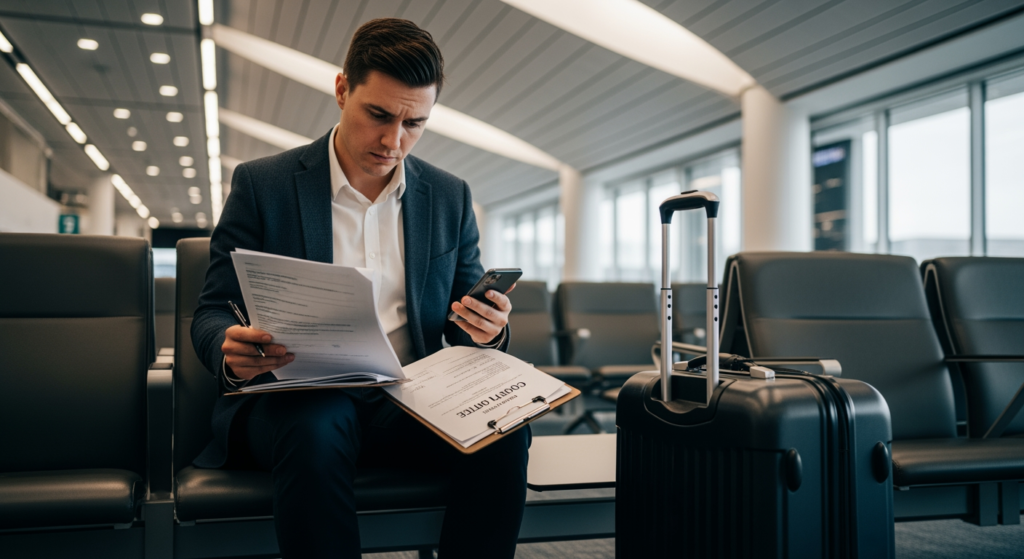
Getting arrested while you’re traveling can feel like being dropped into a new game mid-level—different rules, unfamiliar players, and no clear map. An out-of-state arrest often raises urgent, practical questions for travelers, students, and families: Where will the case be handled, what happens to bail, and how do you get information when you’re far from home? These details matter because early steps—like understanding court dates, release conditions, and paperwork—can affect your schedule, your finances, and your ability to travel or return home. In the summer travel season, these situations can come up when people are far from their usual support systems.
For a bigger picture on how criminal cases typically move through the system, see Understanding the Fundamentals of Criminal Defense Procedures.
Key Points to Know Before You Pack (or Panic)
- The case is usually handled where the arrest happened, even if you live elsewhere.
- Missing a court date can create new problems, such as a bench warrant, depending on local rules.
- Release conditions may limit travel (for example, restrictions on leaving the state or requirements to check in).
- Paperwork matters: citations, bond documents, and court notices often contain critical deadlines and instructions.
- Processes vary by jurisdiction, so timelines and terminology may differ from what you’re used to.
How an Out-of-State Arrest Case Typically Moves Through Court
When an arrest happens away from home, the court process generally starts in the local system: the arresting agency, a local jail or holding facility, and then a first court appearance (often called an initial appearance, arraignment, or something similar depending on the jurisdiction). At that early stage, the court may address identity, charges, release conditions, and future court dates.
If you’re released, you may be given documents listing court dates and conditions you must follow. If you’re held, there may be a hearing to review whether you can be released and under what terms. Because procedures and naming conventions differ across states, two people with similar situations can experience very different timelines and requirements.

Why Timing, Travel, and Paperwork Can Get Complicated Fast
Travel adds friction to almost every step. You may need to coordinate transportation, time off work, childcare, or school obligations—while also tracking court dates that occur in a different state. Even simple tasks (like getting a copy of the complaint or confirming the next hearing) can take longer when you’re not local.
Costs can also stack up: missed flights, extra lodging, and repeated travel for court appearances. On top of that, release conditions can affect your ability to cross state lines, possess certain items, or engage in activities that are otherwise routine. None of this determines the outcome of a case, but it can shape how manageable the process feels.
Common Missteps to Avoid After an Arrest While Traveling
- Assuming your home state court will handle it — the case is typically filed where the alleged incident occurred.
- Losing or ignoring paperwork — citations, bond receipts, and court notices often contain deadlines and conditions.
- Relying on informal advice from friends or social media — rules can be jurisdiction-specific and fact-specific.
- Missing a required appearance — many courts treat non-appearance seriously, and it can add complications.
- Traveling without confirming restrictions — release terms may limit travel or require prior permission.
- Talking about the incident casually — statements to third parties can create misunderstandings later.
A Practical Checklist for Staying Organized and Informed
- Collect and store documents (photos/scans of citations, bond documents, and any court notices).
- Write down key identifiers (case number if provided, the court name, and the next scheduled date/time).
- Track deadlines in one place (calendar reminders for court dates and any check-in requirements).
- Confirm logistics early (how the court handles appearances, what identification is needed, and where to report).
- Keep a simple contact log (who you spoke with, when, and what was said) to reduce confusion.
- Plan for travel contingencies (extra time for transportation and last-minute schedule changes).

Professional Insight: The Detail People Miss Most Often
In practice, we often see people focus on the charge name and overlook the conditions attached to release—things like travel limits, no-contact provisions, or reporting requirements. Those terms can create real-world problems (missed work trips, accidental violations, confusion about what’s allowed) even before the case meaningfully progresses in court.
When to Seek Professional Help for a Travel-Related Arrest
Because rules vary and the stakes can be personal, it can help to talk with a qualified criminal defense attorney when any of the following are true:
- You have an upcoming court date and you’re unsure whether you must appear in person.
- You’re subject to release conditions and don’t fully understand what they restrict.
- You live far from the court and repeated travel would be difficult or expensive.
- You’re concerned about a missed date or paperwork issue (for example, you never received a notice or can’t confirm the next hearing).
- The situation affects your job, school, or immigration status and you need individualized guidance.
Your Questions, Answered
Will the case be handled in my home state or where I was detained?
In many situations, the case is handled in the jurisdiction where the alleged incident occurred. That’s typically where charges are filed and where court hearings are scheduled, even if you live elsewhere.
Do I always have to travel back for court appearances?
Not always. Some courts require in-person appearances; others may allow alternatives in limited circumstances. Whether an appearance can be handled remotely or through counsel depends on the court, the charge level, and local procedure.
What documents should I keep after being released?
Keep copies of any citation, bond or bail paperwork, release conditions, court notices, and receipts. If you can, save digital backups so you can access them while traveling.
Can release conditions restrict my travel?
Yes. Some release orders include limits on leaving a state, requirements to notify the court, or check-in obligations. The exact terms vary, so it’s important to read the order carefully.
What happens if I miss a court date because I’m back home?
Courts often have procedures for missed appearances, and the consequences can vary by jurisdiction and circumstances. If you think you may miss (or already missed) a date, it’s generally important to get reliable information quickly from the court or a qualified attorney.
Moving Forward
An arrest away from home can be disorienting, but the process becomes more manageable when you focus on the basics: where the case is filed, what the next date is, and what conditions apply. Keep your paperwork organized, confirm deadlines, and avoid assumptions based on how things work in your home state. If the situation affects your ability to travel, work, or comply with court requirements, getting professional guidance can help you understand the path ahead. This resource is informational only and not legal advice.
Still have questions?
If you’re trying to make sense of court notices, travel restrictions, or next steps after being detained in another state, it may help to speak with a qualified criminal defense attorney who can review the facts of your situation and the local rules.
Get in Touch
Fill out our quick form and we’ll get back to you within 24 hours.