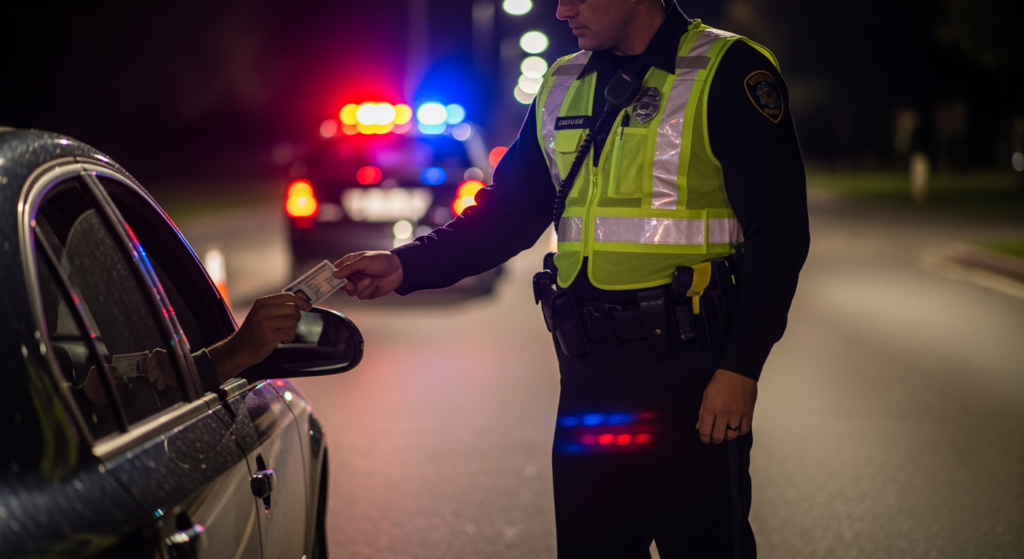
Memorial Day DUI stops raise a lot of practical questions—especially if you’re traveling, leaving a barbecue, or driving late at night when roads are busier than usual. If you’re a driver trying to understand what a DUI stop can involve, what your rights generally are, and what decisions tend to matter most, this FAQ-style guide is for you. Because traffic enforcement practices and DUI procedures can vary by jurisdiction, it helps to focus on the core process: why a stop happens, what an officer may ask you to do, and what information you may want to document afterward. For a broader overview of how criminal defense procedures work in general, see Understanding Criminal Defense Procedures: An Overview. This article is educational only and not legal advice.
Key Points to Know Before You Drive
- A DUI stop usually begins as a standard traffic stop (speeding, lane issues, equipment problems) before it turns into an impairment investigation.
- You can be asked questions and to perform coordination tasks; how you respond and what you agree to can affect what happens next.
- Testing and consequences vary by state, including how breath/blood testing is requested and what refusals may trigger.
- Documentation matters: times, locations, what was said, and what you observed can be important later.
- There may be two tracks: the criminal case and an administrative/licensing process, depending on your jurisdiction.
How Memorial Day Weekend DUI Screening Typically Unfolds
In many places, a DUI investigation follows a common sequence. First is the initial stop, where an officer addresses the reason you were pulled over. Next may come questions (where you’re coming from, whether you’ve had anything to drink) and observations (speech, coordination, odor, open containers). The officer may then request field sobriety tests or a preliminary breath test, depending on local rules and agency practice.
If the officer believes there is probable cause, the process may move to an arrest and a request for an evidentiary chemical test (often breath, sometimes blood). Separately, you may receive paperwork about a court date and/or license-related action. Exact steps and terminology can differ by state, so treat this as a general roadmap rather than a promise of what will happen in any specific stop.
The Real-World Consequences People Overlook After a DUI Stop
Even before any final outcome in court, a DUI-related stop can create immediate practical stress. You may need to arrange transportation home, retrieve your vehicle later, or miss work due to processing time or court scheduling. Depending on jurisdiction and circumstances, there can be towing/impound fees and administrative steps tied to driving privileges.
Longer-term, people often underestimate the ripple effects: insurance issues, background checks, professional licensing questions, and time spent gathering records or attending multiple hearings. If injuries or property damage are involved, the situation can become more complex quickly.
Common Missteps to Avoid During Holiday DUI Enforcement
- Arguing the stop on the roadside — Disputes about the reason for the stop are typically handled later through legal channels, not at the window.
- Over-explaining or guessing — People sometimes fill silence with details that are incomplete or inaccurate; that can create confusion or inconsistencies.
- Not asking what a test is — “Breath test” can mean different things (screening vs. evidentiary) depending on the jurisdiction and device.
- Forgetting key details afterward — Times, locations, who was present, and what instructions were given can blur fast if you don’t write them down.
- Assuming all states handle refusals the same way — Consequences and procedures can vary widely, so avoid relying on a friend’s experience from another state.
- Posting about the stop online — Public posts can be misunderstood and may become inconvenient later, even if your intent is harmless.
A Practical Post-Stop Checklist That Helps You Stay Organized
- Write a timeline — Note when you started driving, when you were stopped, and when any tests occurred (approximate is fine if exact isn’t known).
- Save paperwork — Keep citations, warning slips, tow receipts, and any test-related forms together.
- List witnesses — Passengers, venue staff, or anyone you called afterward may help confirm timing and context.
- Document conditions — Footwear, lighting, weather, road surface, and any medical issues can be relevant to coordination tasks.
- Track deadlines shown on documents — Some notices include time-sensitive instructions; record them so you can ask informed questions.
- Request records through proper channels — If you plan to consult counsel, ask what reports/video may exist and how they’re typically obtained.

Professional Insight: The Detail That Often Drives the Next Step
In practice, we often see that the most important “turning point” isn’t a single dramatic moment—it’s the sequence: why the stop started, what observations were documented, what tests were requested, and how the transition from a traffic stop to an investigation was handled. When those pieces are clear and organized, it’s easier for a qualified attorney to assess what issues may matter in that jurisdiction.
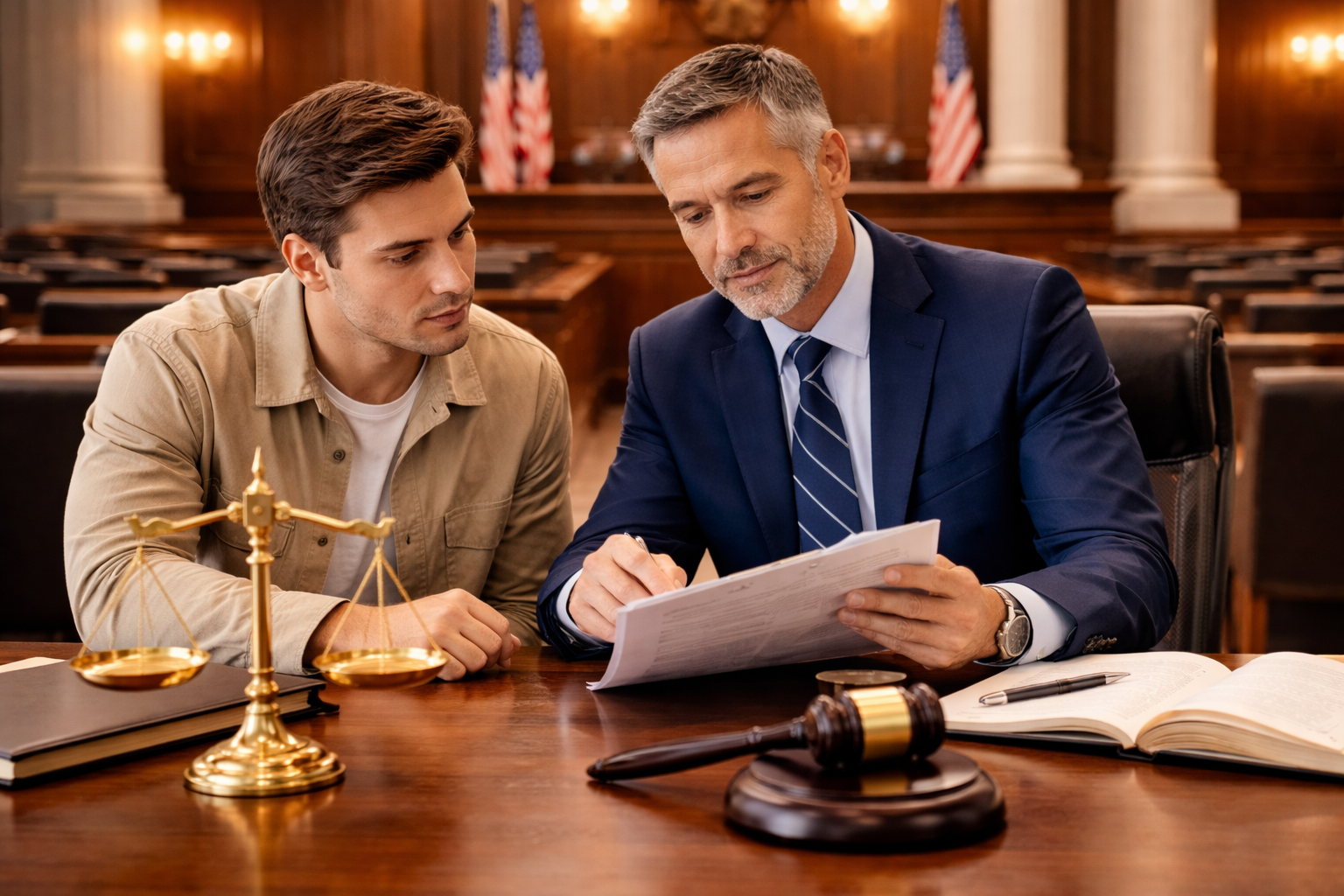
When It’s Time to Talk to a Lawyer About a DUI Stop
Consider getting professional help if any of the following are true:
- You were arrested or received a court date related to impaired driving.
- You’re facing a license suspension or received paperwork about administrative action.
- There was a crash, injury, or property damage, even if you believe you were not at fault.
- You were asked to take (or refused) a chemical test and don’t understand the consequences in your state.
- You have prior convictions or pending cases, which can change how matters are handled.
- Your job depends on driving (commercial driving, deliveries, travel-heavy work) and you need to understand potential ripple effects.
Your Questions, Answered About Holiday DUI Stops
Can an officer stop me without seeing me break a traffic law?
Rules vary by jurisdiction, but stops are generally tied to an observed violation, equipment issue, or another legally recognized basis. If you’re unsure what justified the stop in your situation, that’s a common question to discuss with counsel after reviewing any reports or video.
Do I have to answer questions about where I’ve been or whether I drank?
What you must provide (like identification) versus what you may decline to discuss can differ by state and situation. Many people choose to keep answers brief and respectful while they seek legal guidance later.
Are field sobriety tests always required?
Whether field sobriety tests are mandatory depends on your jurisdiction and the type of test being requested. If you’re unsure what you were asked to do and why, write down what happened and ask an attorney to explain how local practice typically works.
What’s the difference between a roadside breath test and an evidentiary breath test?
A roadside device is often used as a screening tool, while an evidentiary test is typically administered under stricter procedures and used more directly in the legal process. The names and rules for these tests vary by state.
If I was pulled over after a party, does that automatically mean I’ll be charged?
No. A stop can end with a warning, a citation, or an arrest depending on the officer’s observations and the applicable legal standards. Outcomes depend on the facts and the jurisdiction, so avoid assuming the result based solely on the setting.
Moving Forward After Memorial Day Driving Concerns
Memorial Day DUI stops can feel intimidating, but the process usually follows a recognizable pattern: a traffic stop, possible impairment investigation, and then paperwork that may trigger court and licensing issues. Staying calm, keeping track of documents, and writing down what you remember can help you stay organized. Because DUI rules and procedures vary by state, a qualified attorney can explain how the general process applies to your specific situation. This article is for informational purposes only and does not provide legal advice.
Still have questions?
If you’re unsure what happened during a stop or what your paperwork means, it may help to speak with a criminal defense attorney who can review the details for your jurisdiction.
Get in Touch
Fill out our quick form and we’ll get back to you within 24 hours.