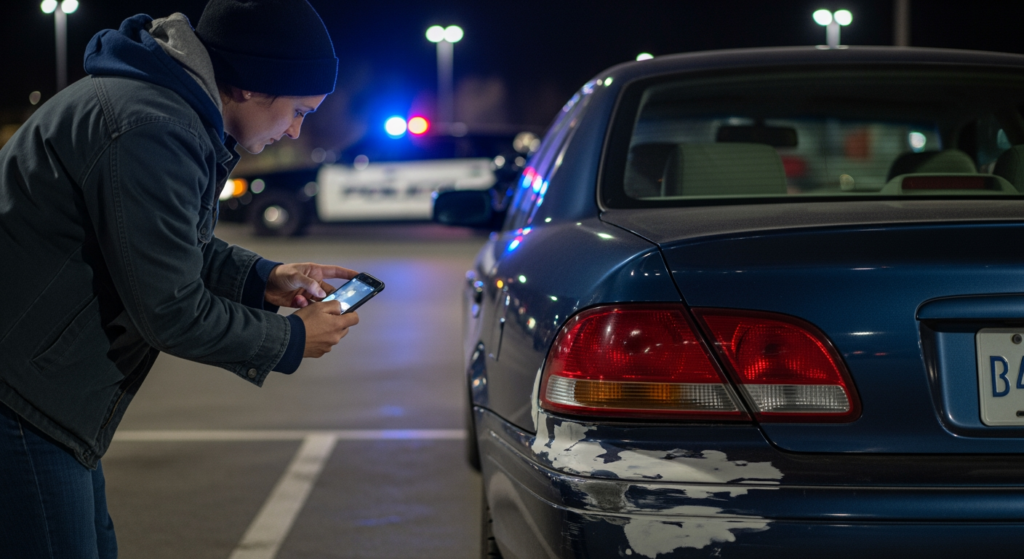
Hit and run charges can come up faster than many drivers expect—sometimes from a minor parking-lot bump, a confusing moment in traffic, or a panicked decision to leave before exchanging information. If you’ve been in an incident (or think you might have been), this guide is for drivers, vehicle owners, and anyone trying to understand what “hit and run” typically means and what early red flags to take seriously. The stakes can include criminal allegations, license consequences, insurance complications, and long-term record concerns. During summer travel season, higher traffic and unfamiliar roads can make misunderstandings more likely—so it helps to know what warning signs to watch for early.
For a broader, plain-language overview of how the criminal process and defense procedures generally work, see Understanding Criminal Defense Procedures: An Overview.
The Essentials: Warning Signs to Take Seriously
- You left the scene without exchanging info—even if damage seemed minor at the time.
- You later notice new damage on your vehicle that could match an incident you didn’t fully process.
- Police, DMV, or an insurer contacts you about an accident you didn’t report.
- Someone claims you were involved and you’re unsure whether they have video, plate info, or witnesses.
- You’re tempted to “fix it quietly” (cash repairs, no report) after realizing there may have been contact.
How Hit-and-Run Allegations Typically Develop
In general terms, a “hit and run” allegation involves an accident or collision followed by a failure to stop and provide required information or assistance. What counts as “required” can vary by jurisdiction and by whether the incident involved property damage, injury, or a parked car. In many situations, the issue isn’t only the impact—it’s what happened immediately after: whether a driver stopped, checked for injuries, identified themselves, and followed any required reporting steps.
These cases can start in several ways: a report from the other driver, a note left on a parked car (or the absence of one), surveillance footage, a witness photo of a license plate, or damage patterns that lead an investigator to a specific vehicle. Sometimes, drivers don’t realize contact occurred until later—then a small delay can snowball into a bigger misunderstanding.

Why Waiting Can Make Things Harder
When a potential hit-and-run situation isn’t addressed promptly, the practical consequences can multiply. Even if you believe the incident was minor, delays can create questions about intent, responsibility, and credibility—especially if someone else reports the event first.
- Time: Memories fade, and it can become harder to reconstruct what happened (where, when, and who was driving).
- Evidence: Video may be overwritten, vehicles get repaired, and damage patterns change.
- Insurance: Coverage questions and claim disputes can become more complicated when reporting is delayed.
- Stress and disruption: Calls, letters, or unexpected visits can interrupt work, travel, and family life.
Costly Missteps to Avoid (Quick Checklist)
- Ignoring calls or letters from police or insurers — silence can be misunderstood, and deadlines may exist.
- Guessing or “filling in gaps” in your story — inaccurate details can create inconsistencies later.
- Posting about the incident on social media — casual comments can be taken out of context.
- Repairing damage immediately without documenting it — you may lose important context about timing and cause.
- Talking to multiple people about what happened — well-meaning conversations can turn into conflicting accounts.
- Assuming “no one got hurt” ends the issue — injury claims can surface after the fact.
A Practical Action Plan If You Spot a Red Flag
- Write down what you remember (time window, route, parking location, weather/lighting, any unusual sounds or bumps).
- Preserve potential evidence such as dashcam footage, parking receipts, GPS history, and photos of your vehicle’s condition.
- Document your vehicle with clear, dated photos of all sides, close-ups of any damage, and the surrounding context (garage/driveway lighting helps).
- Review who had access to the vehicle and note any relevant details about authorized drivers.
- Be cautious in communications and keep copies of letters, emails, and claim notes.
- Consider getting legal information from a qualified criminal defense attorney in your jurisdiction before making formal statements.

Professional Insight: What Most People Miss Early
In practice, we often see people focus on whether the contact was “small” and overlook that these situations frequently turn on the afterward: whether information was exchanged, whether a report was made when required, and whether the timeline looks consistent. Small gaps—like “I meant to handle it tomorrow”—can become the center of the dispute.
When It’s Time to Talk to a Professional
Because laws and procedures vary, it can be helpful to seek professional legal guidance if any of the following applies:
- You’re contacted by law enforcement about an accident, leaving the scene, or failure to report.
- You receive a citation, summons, or notice to appear connected to a collision.
- The incident may involve injury (even if you believe it was minor).
- There’s video, a witness, or a plate identification tying your vehicle to the event.
- You’re unsure what your reporting duties were in the location where it happened.
- You’re worried a statement could be misunderstood or you don’t feel confident explaining the timeline.
This article is for educational purposes only and does not provide legal advice. For advice about your situation, consult a qualified attorney licensed in your jurisdiction.
Frequently Asked Questions
Is leaving a note on a parked car always enough?
Not always. Some jurisdictions have specific requirements for what information must be provided and whether additional reporting is required. If you’re unsure, a local attorney can explain the rules that apply where the incident occurred.
What if I honestly didn’t realize I hit something?
These situations can be fact-specific. Investigators may look at damage, location, timing, and other evidence. If you’re contacted about an incident you didn’t notice, it can help to document what you remember and get legal guidance before making formal statements.
Can an insurance claim trigger a criminal investigation?
Insurance claims and criminal investigations are different processes, but information can overlap. If a claim involves allegations about leaving the scene or failing to report, it may raise additional questions. A qualified attorney can help you understand the process in your jurisdiction.
Should I talk to the other driver privately to “clear it up”?
Private conversations can create misunderstandings or conflicting accounts, especially if emotions are high. If there’s already an allegation or official contact, consider getting legal information first so you understand your rights and obligations.
Do penalties depend on property damage versus injury?
Often, yes. Many jurisdictions treat incidents involving injury more seriously than property-only incidents, and reporting duties may differ. A local attorney can explain how classifications and procedures work where the event happened.
Where to Go from Here
Hit and run situations often escalate because of confusion and delay, not because someone set out to cause harm. The most useful step is recognizing early warning signs—like a missing exchange of information, unexpected damage, or official contact—and responding thoughtfully. Preserve what you can, avoid common missteps, and consider getting jurisdiction-specific guidance if the situation is moving toward a formal allegation.
Ready to Get Started?
Our team is here to help. Give us a call to discuss your needs.