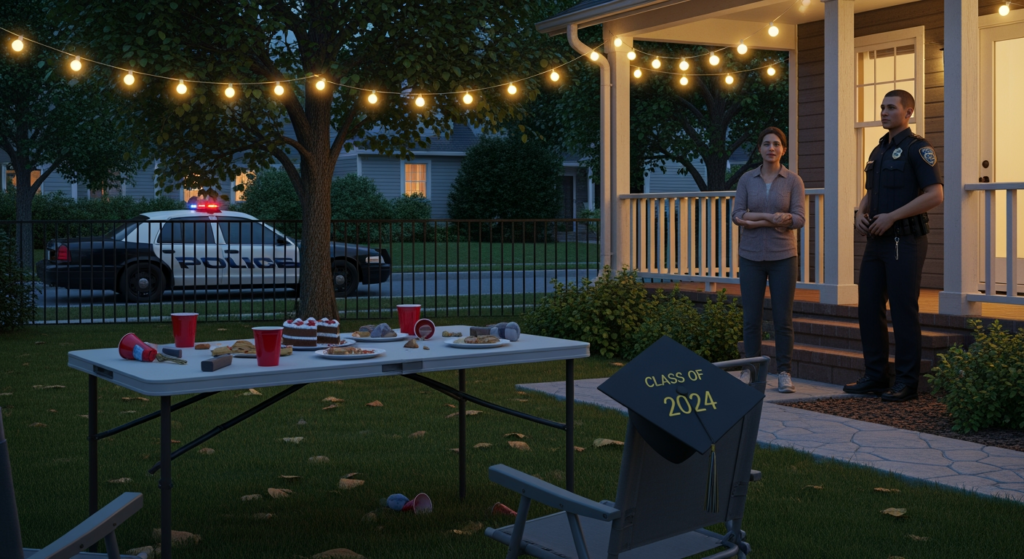
Graduation season can bring a lot of celebrations—and a lot of questions about what can get teens (and sometimes parents) into legal trouble. If you’re a student, parent, or host trying to understand graduation party laws, the goal is usually the same: avoid surprises that turn a fun night into a court date. The tricky part is that youth-related offenses can start with small decisions—like alcohol “just being there,” a noise complaint, or a ride home that seemed harmless at the time. For a broader foundation on how the criminal process generally works, see Understanding Criminal Defense Procedures: An Overview.
This guide is beginner-friendly and informational only. Laws and procedures vary by state, and this is not legal advice.
Key Points to Know Before the Party
- Alcohol is a common trigger for youth charges, including underage possession/consumption and using a fake ID (names vary by state).
- Hosts can face consequences too in some places, especially if minors have access to alcohol on the property.
- Police involvement often starts with a call—noise, parking, or a disturbance—then expands into other issues.
- Social media can become evidence if posts show alcohol, threats, property damage, or who was present.
- Juvenile cases are often different from adult cases in goals and process, but they can still carry serious long-term impacts.
How Graduation-Party Charges Typically Happen
Most “graduation party” cases don’t begin with a planned investigation. They usually start with a situation that draws attention—loud music, a large crowd, neighbors calling, or someone needing medical help. Once officers arrive, they may look for signs of underage drinking, drug possession, fighting, or unsafe conditions.
Common youth-related allegations connected to end-of-school celebrations can include:
- Underage alcohol possession or consumption (even holding a drink may be treated as possession in some jurisdictions).
- Possession of a fake or altered ID (often treated more seriously than people expect).
- Disorderly conduct / disturbing the peace (labels vary; it often covers fighting, yelling, or disruptive behavior).
- Marijuana or other controlled substance possession (rules vary widely by state, including for small amounts).
- Vandalism or property damage (from broken mailboxes to damage inside a home or rental).
- Assault or battery allegations (including school-friend drama that turns physical).
Even when an incident seems “minor,” the paperwork can still be formal: citations, referrals to juvenile court, or conditions like community service or counseling—depending on local law and the facts.

The Real-World Consequences Beyond “Just a Ticket”
Youth charges can affect more than the immediate penalty. The impact depends on the jurisdiction, the charge level, prior history, and the school’s own policies—but common concerns include time spent dealing with court dates, stress for the family, and restrictions placed on a teen’s activities.
Some potential ripple effects people worry about include:
- School discipline (sports eligibility, extracurriculars, or school-based consequences).
- Driver’s license issues in some states for alcohol- or drug-related matters.
- College or scholarship applications, which may ask about disciplinary history or legal involvement.
- Employment opportunities, especially where background checks are used.
- Family or housing consequences if a rental property is damaged or a lease is violated.
Because juvenile systems differ, the same behavior can be handled very differently depending on where it happens and how it’s charged.
Common Mistakes That Turn a Party Into a Case (Checklist)
- Assuming “it’s private property, so it’s fine” — Many jurisdictions still enforce underage alcohol and drug laws at home parties.
- Letting alcohol be “available” — In some places, access matters as much as who purchased it.
- Relying on a fake ID — Possessing or using one can add separate charges beyond underage drinking.
- Posting videos in real time — Posts can identify who was there, what was consumed, and who provided it.
- Arguing with responding officers — Escalation can lead to additional allegations like obstruction or disorderly conduct (terms vary).
- Not documenting what happened afterward — Memories fade quickly; details can matter if there’s a later dispute about events.
A Smarter Prep Plan for Students, Parents, and Hosts (Checklist)
- Set clear expectations early about alcohol, guests, and when the event ends.
- Limit access points (monitor who comes in, and avoid open-invite posts).
- Plan transportation in advance so no one feels pressured to drive after drinking.
- Keep an eye on alcohol storage if adults in the home have it (locked areas reduce “easy access” situations).
- De-escalate quickly if arguments start; separating people early often prevents bigger incidents.
- If police arrive, stay calm and polite; a respectful tone helps keep the interaction from expanding.
- Write down key details after any incident: who was present, what time events occurred, and any witnesses.

Professional Insight: What Most People Miss About Youth Cases
In practice, we often see families focus only on the immediate charge (like “minor in possession”) and overlook the secondary issues that can shape the case—such as what was said during the first interaction with police, what’s on social media, and whether the teen’s school or extracurricular program has separate reporting requirements.
When It’s Time to Talk to a Juvenile Defense Professional
Because juvenile procedures and penalties can vary, it may be time to seek professional help if any of the following are true:
- Your child received a citation, summons, or court notice (even if it seems minor).
- The allegation involves injury, fighting, or property damage, which may carry higher stakes.
- Police want an interview or ask to “clear things up” after the fact.
- There are multiple youths involved and stories are inconsistent.
- A parent/host is being contacted about providing alcohol or allowing a party.
Common Questions Answered
Can a teen get in trouble if they didn’t buy the alcohol?
In many jurisdictions, yes. Laws often focus on possession or consumption, not just purchase. The exact definitions and defenses depend on state law and the facts.
Could parents face consequences for a party at their home?
Sometimes. Some states and localities have “social host” rules or related offenses that may apply when minors have access to alcohol at a residence. Details vary widely.
Do juvenile records automatically disappear at 18?
Not always. Some records may be sealed or expunged under certain conditions, but the process and eligibility are state-specific and often require steps to be taken.
What if the police were called only for noise?
A noise complaint can be the starting point. If officers observe signs of other issues—like underage drinking or drugs—the situation can expand. What happens next depends on local procedure and what is observed.
Should a teen explain what happened to “clear it up”?
It can be risky to make statements without understanding the potential consequences. A qualified attorney can explain how interviews typically work in that jurisdiction and what rights apply.
Moving Forward
Graduation celebrations can be memorable for the right reasons, but misunderstandings about youth-related offenses can create lasting stress. Understanding common allegations, how situations escalate, and what to avoid can help families make safer choices. If a citation or court notice is involved, learning the local process early can prevent missteps. This article is informational only and not legal advice.
Learn More About Our Services
Discover how we can help you achieve your goals.