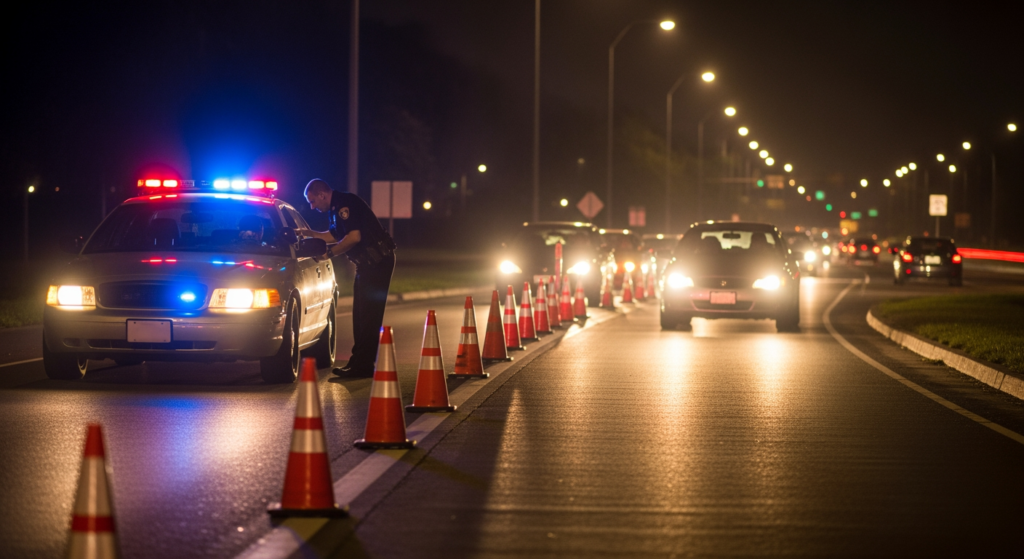
Memorial Day weekend often brings a noticeable shift in DUI patrols, and that can leave drivers wondering what’s different, what’s allowed, and what a stop might turn into. If you’re traveling, attending gatherings, or simply driving your normal routes, understanding the typical enforcement patterns can help you make safer, calmer decisions and avoid preventable complications. This overview is for anyone trying to understand how DUI enforcement commonly ramps up during holiday periods—and what that can mean if you’re stopped. For broader context on the criminal process and how defense works, see Understanding the Fundamentals of Criminal Defense Procedures.
Educational content only—this is not legal advice, and laws and procedures vary by jurisdiction.
The Essentials: Memorial Day Enforcement Shifts
- More officers and targeted coverage: Holiday weekends commonly bring increased staffing and focused enforcement windows.
- Greater emphasis on impaired-driving indicators: Stops may more quickly pivot to impairment screening when certain cues are present.
- More saturation patrol concepts: You may see clusters of units working the same corridors rather than evenly spread coverage.
- More stops for “gateway” traffic issues: Equipment, lane, speed, and seatbelt enforcement can increase because these stops can reveal other concerns.
- Documentation tends to be tighter: Officers may follow more standardized steps and report-writing practices during planned campaigns.
How Holiday DUI Patrols Typically Operate
During major travel holidays, agencies often plan enforcement in advance. Rather than relying only on routine patrol, departments may schedule additional units, focus on high-traffic routes, and coordinate with nearby jurisdictions. In practical terms, that can mean more visible patrol cars, more traffic stops, and a quicker escalation from a routine stop (speeding, a broken taillight) to questions about alcohol or drug impairment.
It’s also common for holiday enforcement to use clear operational playbooks: designated patrol zones, standardized observation notes, and consistent steps for screening. None of that means every stop leads to an arrest—it means the process can feel more structured and more intense than an ordinary weeknight drive.

The Real-World Impact on Drivers and DUI Cases
Higher enforcement visibility can change the stakes quickly. If you’re stopped during a holiday crackdown, the experience may involve longer roadside interactions, more questions, and more attention to details like where you’re coming from, where you’re going, and whether you’ve been drinking. That can feel stressful even for sober drivers—especially in heavy traffic or late-night conditions.
For people who do end up facing allegations, holiday enforcement can affect timelines and logistics. For example, arrests made during peak weekends may coincide with busy court calendars, limited immediate access to paperwork, or delays in scheduling certain procedural steps. The practical burden—time off work, transportation, and the emotional strain—can add up fast.
Checklist: Mistakes People Make During Holiday Crackdowns
- Arguing roadside: Escalation rarely helps; it can increase tension and complicate communication.
- Oversharing details: People sometimes volunteer extra information when nervous; that can create confusion or contradictions later.
- Forgetting basic documents: Scrambling for license/registration can make a stop feel more chaotic than it needs to be.
- Assuming “holiday rules” are different: Traffic and impairment laws generally don’t change because it’s a holiday, even if enforcement intensity does.
- Waiting too long to get organized after an arrest: Missed deadlines, lost paperwork, and incomplete recollections can make the next steps harder.
A Smart Action Plan If You Expect Heavy Patrol Presence
- Plan transportation before the first drink: Decide on a sober driver, rideshare, or staying put—before the night gets busy.
- Build in extra time: Holiday traffic and increased stops can slow travel, which reduces pressure to speed or take risks.
- Keep your vehicle basics current: Working lights, visible plates, and up-to-date documents can reduce avoidable stop triggers.
- If stopped, stay calm and clear: Keep hands visible, follow instructions, and communicate respectfully.
- Document what you can afterward: If an incident occurs, write down your recollection while it’s fresh (times, locations, sequence of events).

Professional Insight: What Most People Miss About Holiday Stops
In practice, we often see that holiday-related enforcement isn’t just “more police”—it’s more structured police work. When patrols are planned, officers may be primed to observe and record specific driving cues and interaction details, which can shape how the stop is later described in reports and proceedings.
When It’s Time to Talk to a Lawyer
Because DUI and traffic-crime procedures vary by state (and sometimes by county), getting qualified help can matter when the situation is more than a simple warning. Consider seeking legal guidance if:
- You were arrested or cited for impaired driving, or told you will be charged later.
- Your license was taken, you received paperwork about suspension, or you’re unsure about deadlines.
- You were involved in a crash, there were injuries, or property damage is significant.
- You have prior DUI-related history or other pending criminal matters.
- You believe the stop, search, testing, or questioning raised procedural concerns.
This article is informational only and does not create an attorney-client relationship.
Your Questions, Answered About Holiday DUI Enforcement
Do police increase impaired-driving enforcement on Memorial Day weekend?
Many agencies plan additional enforcement around major travel holidays, which can mean more patrol units, targeted routes, and focused time windows. Specific practices vary by jurisdiction.
Can I be stopped for a minor traffic issue during a holiday campaign?
Traffic stops are commonly based on observed violations (such as equipment or moving violations). During high-enforcement periods, officers may be more attentive to those issues.
Are sobriety checkpoints used everywhere?
No. Checkpoint use depends on state law and local agency policy. Some areas use them, others rely on roving patrol strategies.
What should I do if I’m pulled over late at night after a celebration?
Stay calm, follow instructions, and keep communication clear and respectful. If you’re concerned about your situation, consider speaking with a qualified attorney for guidance specific to your jurisdiction.
The Path Ahead
Memorial Day enforcement periods can make driving feel like you’re navigating a hallway full of hall monitors—same rules, sharper attention. Knowing that patrol coverage may be heavier, more targeted, and more standardized can help you plan ahead and reduce avoidable risk. If you or someone you care about is facing DUI-related allegations, learning the process early can make the next steps feel less overwhelming. For advice about your specific situation, a licensed attorney in your area is the appropriate resource.
Get in Touch
Fill out our quick form and we’ll get back to you within 24 hours.