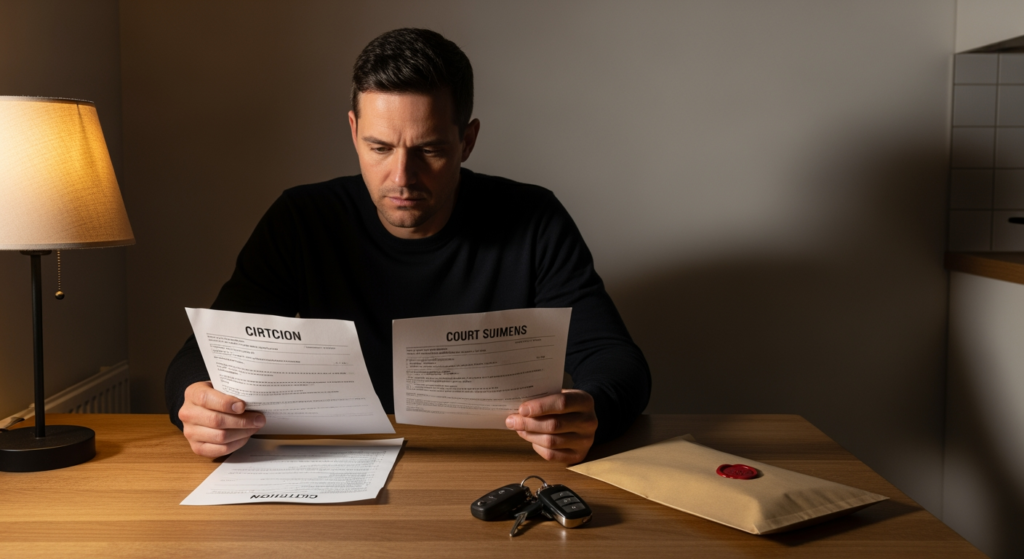
Facing a DUI arrest can feel like your life just got tossed into a legal blender—confusing, loud, and moving way too fast. This DUI case study walks through a realistic, educational example of what can happen from the moment of a traffic stop through arraignment, written for people trying to understand the process (and what decisions can shape it). In spring, when more people are out at night and on the roads, these scenarios can come up unexpectedly. The goal here isn’t to give legal advice or predict outcomes, but to show how the early stages typically unfold, what documents and hearings may appear, and where defendants often lose time—or protect it—by understanding the system.
If you want a broader overview of the full timeline, see Understanding the Criminal Justice Process.
Bottom Line Upfront: What This DUI Example Shows
- A DUI case often begins with a stop, brief roadside questioning, and a decision about field sobriety tests or a breath test.
- What you say and do during the stop can affect what evidence exists later, even before any court date is set.
- Booking, release conditions, and administrative license consequences (where applicable) can start quickly after arrest.
- Arraignment is typically the first court appearance where charges are read and the next steps are scheduled.
- Early paperwork and deadlines matter; missing them can create avoidable complications.
DUI Stop to Arraignment: A Step-by-Step Case Study Walkthrough
Background/context (educational example): “Alex,” a working adult with no prior record, drives home after meeting friends. A patrol officer observes driving behavior the officer believes may indicate impairment (for example, drifting within a lane or a delayed response at a light). The officer initiates a traffic stop.
The challenge/situation: Alex is nervous and unsure what the officer can ask, what tests are optional, and what happens if an arrest occurs. Alex also doesn’t understand the difference between (1) roadside investigation, (2) arrest and booking, and (3) what the court does at arraignment.
The approach taken (what happens next in this example):
- Initial contact: The officer requests license/registration and asks routine questions. The officer may note observations (odor of alcohol, bloodshot eyes, fumbling with documents, or speech patterns). These observations can later appear in a report.
- Roadside evaluation: The officer asks Alex to step out. Depending on jurisdiction and circumstances, the officer may request field sobriety tests. Alex’s performance—good, bad, or uneven—may be used as part of the officer’s probable-cause assessment.
- Breath testing decision point: The officer requests a preliminary breath test (often roadside) and/or a chemical test later (often at a station). The rules for refusal and the consequences can vary by state.
- Arrest and transport: The officer decides there is probable cause and arrests Alex for a DUI-related offense. Alex is transported for booking and further testing, depending on local procedures.
- Booking and release: Alex is fingerprinted and photographed. Property is inventoried. Release might occur by citation, bond, or a later pickup—processes differ by jurisdiction and the facts of the arrest.
- Charging documents and court date: Alex receives paperwork listing alleged offenses and a date for the first appearance (arraignment or an equivalent hearing).
- Arraignment: In court, the judge (or magistrate) states the charges, addresses counsel, reviews release conditions, and sets the next dates (such as pretrial conferences or motion deadlines). A plea may be entered at this stage in some systems, but procedures vary.

The Real-World Stakes Between Arrest and Arraignment
Even before the case gets traction in court, the period between the stop and arraignment can carry practical consequences. This is where many people feel the most overwhelmed—because life keeps happening while the legal system starts moving.
- Time and logistics: You may need to arrange transportation, manage missed work, and track court dates and paperwork.
- License and driving impact: Some jurisdictions have administrative processes separate from the criminal case, which can affect driving privileges on a different timeline.
- Evidence is being created early: Officer observations, body-worn camera footage (where used), test records, and booking documentation can shape what is disputed later.
- Release conditions: Conditions like alcohol monitoring, travel limits, or check-ins (where imposed) can affect daily routines.
- Financial pressure: Towing/impound fees, bond, and missed work can add stress even before attorney fees or court costs are considered.
Checklist: Common Missteps After a DUI Arrest
- Ignoring paperwork because it’s confusing: Citations and release documents often include dates, conditions, and instructions that can matter later.
- Talking about the incident casually (texts/social media): Statements can be misunderstood or become relevant depending on how the case develops.
- Assuming arraignment is “just a formality”: It can set conditions and deadlines that shape the rest of the case.
- Missing court or arriving unprepared: Even administrative hearings can have consequences if you don’t appear or don’t understand what’s being addressed.
- Waiting too long to learn the local process: DUI procedures and timelines can differ across states and even between courts.

Checklist: Smart Preparation Before Your First Court Date
- Organize every document you received: Keep citations, release papers, tow/impound receipts, and any testing paperwork together.
- Write a timeline while it’s fresh: Note times, locations, who was present, and what you remember being asked or tested.
- List potential witnesses and evidence sources: For example, passengers, nearby businesses with cameras, or ride receipts—without assuming what will be available.
- Confirm court details: Verify the courthouse, time, and whether the appearance is in-person or remote (where applicable).
- Plan for logistics: Arrange transportation and arrive early to reduce stress and avoid last-minute problems.
Professional Insight: What Often Shapes the Early Direction
In practice, we often see that the earliest decisions—what information is documented at the stop, what testing is requested, and how paperwork is handled—can influence the pace and complexity of the case long before any trial-level issues are even on the table.
When It’s Time to Talk to a DUI Defense Lawyer
This article is general information, not legal advice. If any of the situations below apply, it may be time to consult a qualified criminal defense attorney in your jurisdiction:
- You were involved in a crash (especially if there were injuries or significant property damage).
- You’re facing multiple allegations (for example, DUI plus driving on a suspended license or other charges).
- You received paperwork you don’t understand or you’re unsure about deadlines, testing, or hearing requirements.
- You have prior DUI-related history or your job depends on driving privileges.
- You believe evidence may be disputed (such as testing procedures, stop basis, or identification issues).
Common Questions About the Early DUI Process
Is arraignment the same thing as a trial?
No. Arraignment is typically an early hearing where charges are read, counsel is addressed, and next steps are scheduled. A trial, if it happens, usually comes later.
Can the driver’s license situation move on a different timeline than the court case?
In many jurisdictions, yes. Administrative processes related to driving privileges can occur separately from the criminal court timeline, depending on state law and the facts of the arrest.
What documents should someone keep after an arrest for impaired driving?
Generally, it helps to keep all citations, release conditions, bond paperwork, towing/impound documents, and any testing-related forms. The exact documents vary by jurisdiction.
Does a first court appearance usually involve entering a plea?
Procedures vary. Some courts take a plea at the first appearance; others focus on advising rights, setting conditions, and scheduling later proceedings.
Moving Forward Now
This case study example shows how a DUI matter can move from roadside investigation to booking and then into court at arraignment. The most practical takeaway is that early steps create records, deadlines, and conditions that can affect daily life quickly. Because rules and procedures vary by state, learning the local process—and getting individualized guidance when needed—can reduce confusion and missed steps.
Get Your Free Quote
Find out how we can help with a no-obligation quote.