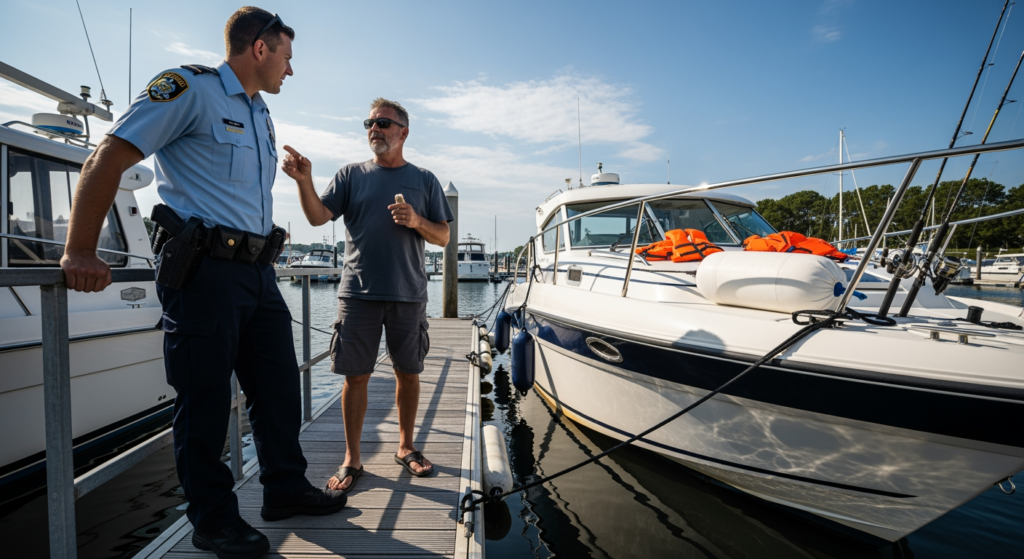
Boating is supposed to be the relaxing kind of “traffic”—open water, fresh air, and fewer red lights. But if alcohol (or drugs) enter the picture, the rules can get serious fast. This guide is for boaters, passengers, and anyone who may operate a vessel and wants a clear, educational overview of how boating DUI laws generally work, what tends to trigger enforcement, and what to do if you’re stopped. Because spring and early warm-weather weekends often mean more time on the water, it’s also a good moment to review the basics before the season gets busy.
Keep in mind: this is general information, not legal advice, and procedures can vary by state and even by agency. For a broader primer on how criminal defense processes fit together, see Understanding Criminal Defense Procedures: A Comprehensive Overview.
Bottom Line Upfront: The Essentials
- Operating a boat while impaired can lead to criminal charges, similar in concept to impaired driving on roads.
- Enforcement may involve sobriety testing and chemical testing rules that can differ from standard roadside stops.
- Penalties often include fines, probation, jail exposure in some cases, and consequences for boating privileges; some jurisdictions also involve driver’s license impacts.
- Jurisdiction can be complicated on the water (state waters, federal waters, local agencies), which may affect procedures.
- Documentation and timing matter—what happened before, during, and after a stop can shape how a case is evaluated.
How Boating DUI Laws Typically Work on the Water
Most jurisdictions prohibit operating a vessel while impaired by alcohol, drugs, or a combination. The core idea is the same as on land: impairment can make operation unsafe. The details, however, can look different on the water.
Common elements you may see across many states include:
- “Operation” can be broader than “driving.” Depending on the jurisdiction, being at the controls, underway, or otherwise directing the vessel may qualify.
- Stops and safety checks. Boating agencies often conduct safety inspections (life jackets, registration, lights). In some places, those checks can lead to impairment investigations if signs of impairment are observed.
- Field sobriety-style testing. Balance-based tests can be controversial on a moving platform; agencies may use modified tests or observations tailored to boating conditions.
- Chemical testing rules. Breath, blood, or urine testing processes—and the consequences of refusing—vary by state and by the circumstances of the stop.

The Real-World Consequences: Why Timing Matters in Boating Cases
A boating-related impairment arrest can affect more than a weekend plan. The practical impact often comes down to how quickly you understand what you’re facing and what deadlines apply in your jurisdiction.
- Criminal exposure. Depending on the charge level and prior history, penalties can range from fines and probation to jail exposure in some cases.
- Boating privileges. Some jurisdictions impose suspensions or restrictions on operating a vessel.
- Driver’s license spillover. In some states, a boating impairment case can affect your driver’s license; in others, it may not. This is a key “state-specific” issue.
- Insurance and financial costs. Legal defense costs, increased insurance premiums, or related administrative fees may come into play.
- Employment and background checks. Any criminal charge can create stress around work, professional licensing, or future screenings.
Common Missteps to Avoid After a Marine Stop (Checklist)
- Arguing on the spot. On-water encounters are stressful; escalating rarely helps and can create additional allegations.
- Guessing your rights or deadlines. Refusal rules and hearing timelines can be highly jurisdiction-dependent.
- Assuming “it’s not a real DUI because it’s a boat.” Many states treat boating impairment seriously, and the charge can still be criminal.
- Overlooking witnesses and context. Passengers, marina staff, and nearby boaters may become witnesses—sometimes helpful, sometimes not.
- Posting details online. Public posts can be misunderstood, taken out of context, or preserved as evidence.
- Misplacing paperwork. Citations, release documents, tow/impound records, and testing paperwork can matter later.
A Smart Pre-Season Safety Plan for Boaters (Checklist)
- Assign a sober operator before you leave the dock. Treat it like a “designated driver,” but for the helm.
- Build in extra time. Sun, wind, and long days can amplify fatigue—one more reason to avoid mixing operation and alcohol.
- Keep documents organized. Registration, safety gear compliance, and required equipment reduce friction during safety checks.
- Know who patrols your waterways. Local marine units, state agencies, and sometimes federal authorities may have overlapping roles.
- Plan your return trip. Many incidents occur late in the day when conditions change and attention drops.
- If you’re stopped, focus on clarity. Listen carefully, ask for instructions to be repeated if needed, and keep interactions calm.

From the Field: What Most People Miss About Boating Impairment Investigations
In practice, we often see that people underestimate how much the environment affects an officer’s observations—sun exposure, dehydration, motion, and fatigue can look like impairment, and impairment can be harder to assess accurately on water. That’s one reason documentation, witness accounts, and the exact sequence of events (departure, docking, testing, and timing) tend to become central topics in many cases.
When It’s Time to Talk to a Lawyer
If you’re dealing with a boating-related impairment stop or charge, getting qualified legal guidance can be especially important because waterway jurisdiction and testing procedures can differ from typical traffic stops. Consider seeking professional help if:
- You were arrested or cited for operating a vessel while impaired.
- You were asked to take (or refused) a breath, blood, or urine test and are unsure what that means in your state.
- Your paperwork mentions administrative deadlines, hearings, or a potential suspension of boating or driving privileges.
- There was an accident, injury, property damage, or allegations beyond impairment.
- You believe medical issues, fatigue, or environmental factors affected how you appeared during the stop.
Common Questions Answered
Is operating a boat after drinking treated like impaired driving on roads?
Many jurisdictions have separate offenses for operating a vessel while impaired, and they can be criminal. The exact definitions, testing rules, and penalties vary by state.
Can marine officers stop a boat just to check safety equipment?
In many places, boating agencies conduct safety or compliance checks. Whether and how those checks are permitted depends on local law and the specific circumstances.
Do refusals of chemical tests have consequences on the water?
Some jurisdictions impose separate penalties or administrative consequences for refusing a breath, blood, or urine test. The rules and procedures are state-specific.
Could a boating-related impairment charge affect a driver’s license?
It depends. Some states link boating and driving privilege consequences; others treat them separately. A local attorney can explain how your state handles it.
What information should I save after an arrest or citation?
Keep all paperwork you received, note the timeline of events while it’s fresh, and preserve any relevant receipts, photos, or contact information for potential witnesses.
Where to Go from Here
Boating impairment enforcement can feel unfamiliar because it blends criminal law, administrative rules, and waterway jurisdiction. A little preparation—especially during the active boating season—can help you understand what may happen during a stop and what the potential consequences are. If you’re facing allegations, the most reliable next step is getting advice tailored to your situation and your state’s procedures.
Book Your Consultation
Schedule a free consultation with our experts.