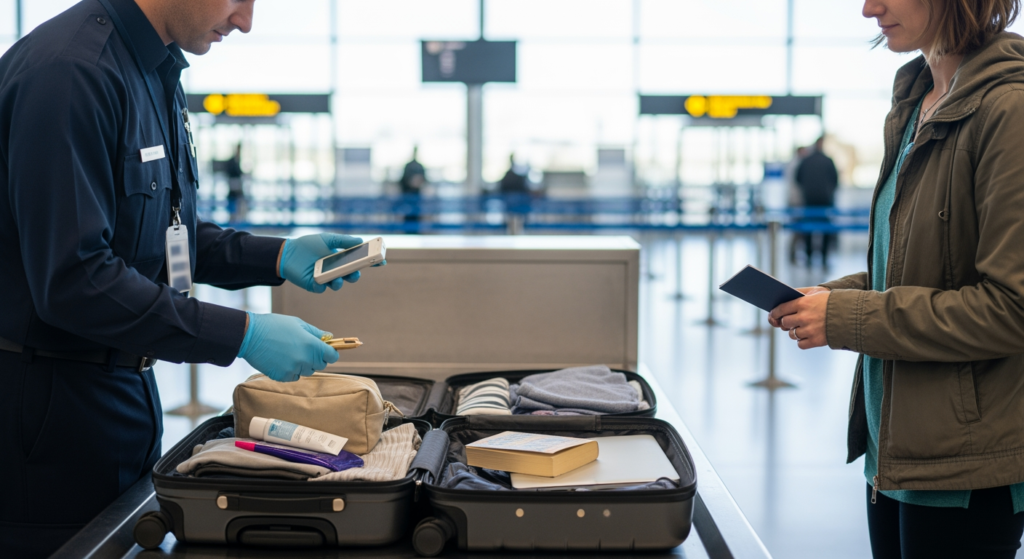
Airport security can feel routine—until you’re pulled aside and the questions get personal or your bags become the main event. If you’re traveling for spring break trips, family visits, or work conferences, it’s a good time to understand what airport searches generally involve and what rights may apply before you’re standing at the checkpoint trying to remember what you read online. This guide is for travelers who want practical, plain-language information (not legal advice) about screening, additional inspection, and what to do if an encounter starts to feel more like an investigation than a safety check.
Because rules and procedures can vary by jurisdiction and circumstance, it helps to keep the “big picture” in mind and then confirm local specifics when needed. For a broader overview of how rights and processes can differ across states, see Understanding the Differences in Criminal Defense Laws Across States.
Bottom Line Upfront: Airport Screening Basics
- Expect screening as a condition of boarding: Standard checkpoint screening is part of air travel, and you can be selected for additional screening.
- Extra screening isn’t automatically a criminal case: Many secondary checks are administrative and end quickly, but some interactions can shift into law-enforcement questioning.
- You can ask what’s happening: It’s generally reasonable to ask whether you’re free to go, what the next step is, and which agency you’re speaking with.
- Consent and scope matter: How a search is conducted and what it covers can depend on the context, the agency involved, and what you agree to.
- Your words can travel farther than your luggage: Statements made during travel encounters can be documented and later referenced, even if no arrest happens that day.
How Airport Searches Typically Happen (And Who’s Involved)
Most travelers first interact with checkpoint screeners whose role is focused on aviation security. If something triggers additional review—an alarm, an item that needs inspection, or a screening selection—you may be directed to secondary screening. This can include a pat-down, swabbing items for residue testing, or closer inspection of carry-on property.
Sometimes, other personnel become involved. Depending on the airport and situation, that could include airport police or other law enforcement. The moment law enforcement shifts from a security check to an investigative stop can feel subtle in real life—more questions, requests to step aside, or a search that goes beyond resolving a screening issue.
Practical tip: If you’re unsure who you’re dealing with, you can politely ask for the person’s name and role (e.g., screening staff vs. law enforcement). That context can help you understand what’s happening and what questions you may want to pause on until you have guidance.

Why Timing Matters: The Real-World Stakes During Travel Encounters
Airport situations move fast, and that speed can create pressure to “just cooperate” without thinking through what you’re agreeing to. The practical stakes often come in three forms: time, documentation, and escalation.
- Time: Extra screening can cause missed flights, rebooking costs, and lost connections—especially during busier spring and summer travel periods.
- Documentation: Even if you’re not arrested, an incident can generate reports, notes, or records that may matter later.
- Escalation risk: Confusion, frustration, or joking about prohibited items can be misread, increasing scrutiny or leading to law-enforcement involvement.
In other words: how you handle a few minutes at the checkpoint can affect the rest of your trip—and sometimes what happens after the trip.
Mistakes Travelers Make During Secondary Screening (Checklist)
- Arguing about procedure in the moment: Debating policies at the checkpoint often increases delays; saving concerns for later channels may reduce escalation.
- Over-explaining or guessing: Filling silence with speculation (“Maybe it’s because I…” ) can create confusion or contradictions.
- Making jokes about weapons or contraband: Humor can land like a lead balloon in a security setting and may trigger additional steps.
- Consenting without clarity: Agreeing to “a quick look” without understanding what’s being requested can broaden the scope of what happens next.
- Recording in a way that interferes: Trying to film aggressively or getting in the way can create a separate issue; if you want to document, consider doing so calmly and without obstructing.
- Assuming all rules are the same everywhere: Procedures and legal standards can vary by jurisdiction and agency involvement.
Smart Preparation for Spring and Summer Travel (Action Checklist)
- Build extra buffer time: Seasonal crowds can turn minor delays into major problems, so plan for secondary screening without panic.
- Pack with inspection in mind: Keep electronics, toiletries, and dense items organized so a bag check is quicker and less chaotic.
- Keep travel documents accessible: If you’re asked to confirm identity or itinerary, having documents ready can reduce friction.
- Use calm, precise language: If questioned, short and clear answers can prevent misunderstandings.
- Ask neutral clarifying questions: Examples: “Am I free to go?” “Is this an additional screening?” “Are you asking for my consent to search?”
- Write down details after the fact: If something felt off, note names, times, locations, and what was said while it’s fresh.

Professional Insight: Where People Get Caught Off Guard
In practice, we often see travelers underestimate how quickly a routine screening can turn into a high-stakes conversation—especially when a traveler is tired, rushing, or stressed and starts answering questions reflexively. The shift isn’t always announced, which is why calmly asking what’s happening and who you’re speaking with can be a practical way to regain clarity without escalating the situation.
When It’s Time to Talk to a Lawyer
Consider seeking qualified legal help if any of the following happen during or after a travel encounter:
- You’re detained or escorted to a separate area by law enforcement and you’re not sure whether you can leave.
- Your phone or digital devices are searched or requested and you have concerns about scope, consent, or what was accessed.
- You’re issued a citation, arrested, or given paperwork connected to an airport incident.
- You’re told you may face charges later or you’re contacted after your trip for follow-up questioning.
- Your travel is disrupted due to an allegation (for example, prohibited items, threats, or identity-related concerns).
This article is general information, not legal advice. A licensed attorney can explain how the rules may apply to your specific facts and jurisdiction.
Your Questions, Answered About Travel Screening
Can I refuse a screening and still board my flight?
Air travel typically requires completing security screening. If you decline, you may not be allowed to proceed to the gate or board. Specific consequences can depend on the situation and airport procedures.
What’s the difference between a security screening and a police search?
Security screening is generally aimed at aviation safety and follows administrative procedures. A police search is tied to law enforcement activity and may involve different legal standards and documentation. Which one you’re experiencing can depend on who is conducting the interaction and why.
Do I have to answer questions during an airport encounter?
Requirements can vary depending on the context, including identity-related questions and whether law enforcement is involved. If you’re unsure, you can ask whether you’re free to leave and consider requesting legal counsel if the situation escalates.
What should I do if my bag is pulled for secondary inspection?
Staying calm, following instructions, and asking brief clarifying questions can help the process move efficiently. If the interaction shifts to law enforcement questioning or you feel pressured to consent to something you don’t understand, it may be appropriate to pause and seek legal guidance.
What if the rules seem different at another airport?
Procedures and legal interpretations can vary by jurisdiction and by the agencies involved. If you’re dealing with a serious issue, a local attorney can help explain how the applicable rules work where the incident occurred.
Where to Go from Here
Travel can be stressful enough without uncertainty about what happens at the checkpoint. Knowing the basic flow of screening, the practical stakes of what you say and do, and the common mistakes to avoid can help you stay grounded if you’re pulled aside. If an encounter becomes more than a routine inspection—especially if law enforcement gets involved—getting reliable, jurisdiction-specific guidance matters.
Book Your Consultation
Schedule a free consultation with our experts.