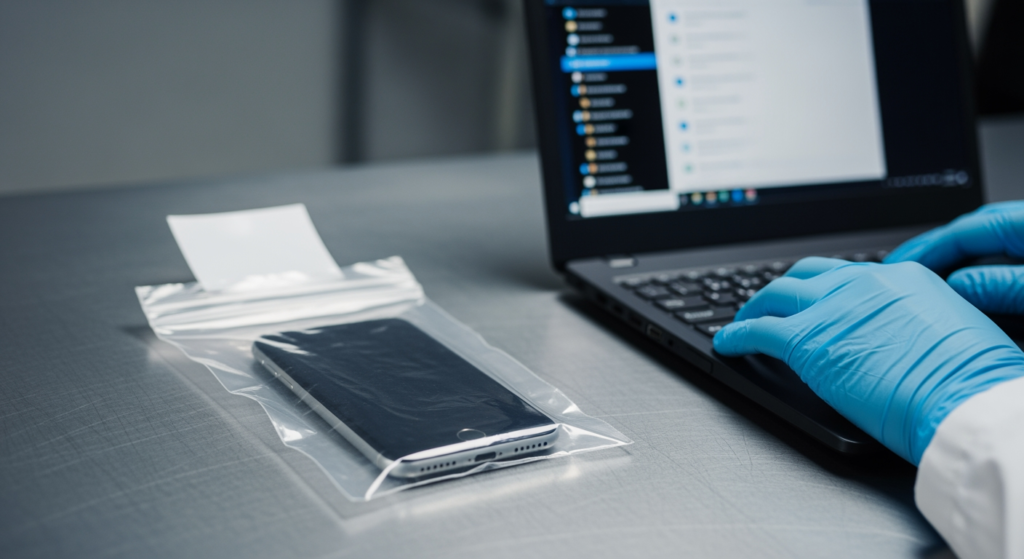
Digital evidence shows up in criminal cases more often than many people expect—sometimes from a phone in a pocket, sometimes from a camera on a building, and sometimes from data stored far away on a server. If you’re facing questions from law enforcement, supporting a loved one, or simply trying to understand how modern cases are built, it helps to know what this kind of proof is and how it’s handled. During summer travel season, it’s also common for people to rely more on phones, navigation apps, and messaging—tools that can create records without you thinking about it.
Because rules can differ by state and court, this article is educational only and not legal advice. For a broader foundation on how criminal cases generally move through the system, see Understanding Criminal Defense Procedures: An Overview.
Key Takeaways on Digital Proof
- Digital evidence is information stored or transmitted electronically that may be used to support or challenge claims in a criminal case.
- Common sources include phones, computers, cloud accounts, social media, GPS data, and surveillance video.
- How it was collected and preserved can matter as much as what it appears to show.
- Context is critical: timestamps, locations, and account ownership can be misunderstood or disputed.
- Requests to “just unlock your phone” or “hand over your login” can have serious consequences—consider getting qualified legal help before responding.
How Digital Evidence Usually Shows Up in a Case
In plain terms, this type of evidence is any electronic information that someone claims helps prove what happened (or didn’t happen). It can be a text message, a call log, a photo’s metadata (details like time and device), a location history record, or a clip from a doorbell camera.
In many cases, the information comes from:
- Your devices: phones, tablets, laptops, smartwatches, external drives.
- Online accounts: email, cloud storage, messaging apps, social platforms.
- Third parties: businesses with cameras, rideshare or delivery apps, or service providers that maintain records.
How it gets into a case can vary. Sometimes it’s turned over voluntarily (by a witness or account holder). Other times it’s obtained through legal process such as warrants, subpoenas, or court orders—procedures that can differ by jurisdiction and by the type of data requested.

Why This Kind of Evidence Can Raise the Stakes
Electronic records can feel “objective,” but they’re not always straightforward. They can be incomplete, taken out of context, or tied to the wrong person or time. Even when accurate, they may reveal more than the single moment someone is focused on—like broader location patterns, contact lists, or unrelated messages.
Practical implications often include:
- Time: Reviewing devices and accounts can take weeks or months, especially when data comes from multiple sources.
- Cost: Some cases involve specialized review or forensic work to extract, interpret, or challenge electronic records.
- Privacy: A narrow request can still expose sensitive personal information that isn’t directly related to the allegation.
- Leverage: A single message or clip can shape negotiations, charging decisions, or trial strategy—depending on how it’s authenticated and explained.
Common Missteps to Avoid (Quick Checklist)
- Deleting or “cleaning up” devices: Even if you think it helps, it can create additional legal problems or negative inferences, depending on the situation.
- Assuming screenshots tell the whole story: A screenshot may omit surrounding context, timestamps, or message threads.
- Sharing passwords or unlocking devices casually: Consent and access issues can be complicated; once data is exposed, it may be difficult to limit what’s reviewed.
- Posting about the incident online: Posts, comments, and DMs can be misunderstood, preserved by others, or compared against other records.
- Ignoring account/device ownership questions: “It’s my phone” is different from “it’s my account,” and shared devices can create confusion.
- Believing metadata is always reliable: Device settings, time zones, app behavior, and transfers can affect how data appears.
A Smart Prep Plan If Digital Records May Matter
- Write down what you remember early: Dates, times, who had which device, and where you were—while it’s fresh.
- Preserve relevant information: Keep messages, emails, or media in their original form when possible (not just screenshots).
- Identify potential third-party sources: Nearby cameras, receipts, app logs, or workplace systems that may have relevant records.
- Limit new commentary: Avoid discussing sensitive details in texts, DMs, or posts if you’re concerned about an investigation.
- Ask about the legal process: If approached by law enforcement, you can ask what is being requested (device, account, specific timeframe) and whether it’s voluntary or compelled.
- Consult a qualified attorney: Get advice tailored to your jurisdiction and facts before consenting to searches or sharing access.

Professional Insight: What Most People Miss
In practice, we often see people focus on the “smoking gun” message or video clip and overlook the quieter issues—like whether the data can be reliably tied to a specific person, whether the timeline is complete, and whether the collection method can be challenged. Those details can shape how the same record is interpreted.
When It’s Time to Talk to a Lawyer
Because electronic records can expand quickly from one file to an entire account, it’s often worth getting professional guidance when any of the following are true:
- You’re asked to unlock a device, provide a password, or give consent to a search.
- Your phone, computer, or online account has been seized or you’re told it may be.
- You learn that messages, photos, location history, or surveillance footage are being used against you.
- You believe records are missing context, misattributed, altered, or incomplete.
- You’re contacted by police or investigators and aren’t sure whether you’re a witness, suspect, or someone else.
Your Questions, Answered
What kinds of electronic records are commonly used in criminal cases?
Common examples include texts and call logs, emails, social media messages, photos and videos (plus metadata), app activity, GPS or location history, and footage from security or doorbell cameras.
Is a screenshot enough to prove what a message said?
A screenshot may be a starting point, but it can be incomplete. Full message threads, timestamps, account details, and how the record was obtained can all affect how it’s evaluated.
Can location history be wrong?
Location records can be affected by device settings, signal strength, app behavior, and time or mapping assumptions. How accurate a record is can depend on the source and how it was generated.
Do I have to hand over my phone if asked?
Whether you must comply depends on the legal process used (for example, a warrant or a voluntary request) and the rules in your jurisdiction. An attorney can help you understand what applies to your situation.
What does “chain of custody” mean for electronic files?
It generally refers to documentation showing how data was collected, handled, stored, and transferred. The goal is to reduce disputes about whether the information was altered or mixed up.
Where to Go from Here
Electronic records can be powerful, but they’re rarely as simple as a single screenshot or a short clip. Understanding where the information comes from, how it’s preserved, and how context can change its meaning helps you ask better questions and avoid costly mistakes. If you’re dealing with an investigation or charges, getting qualified guidance early can help you understand what’s being requested and what your rights may be.
Learn More About Our Services
Discover how we can help you achieve your goals.