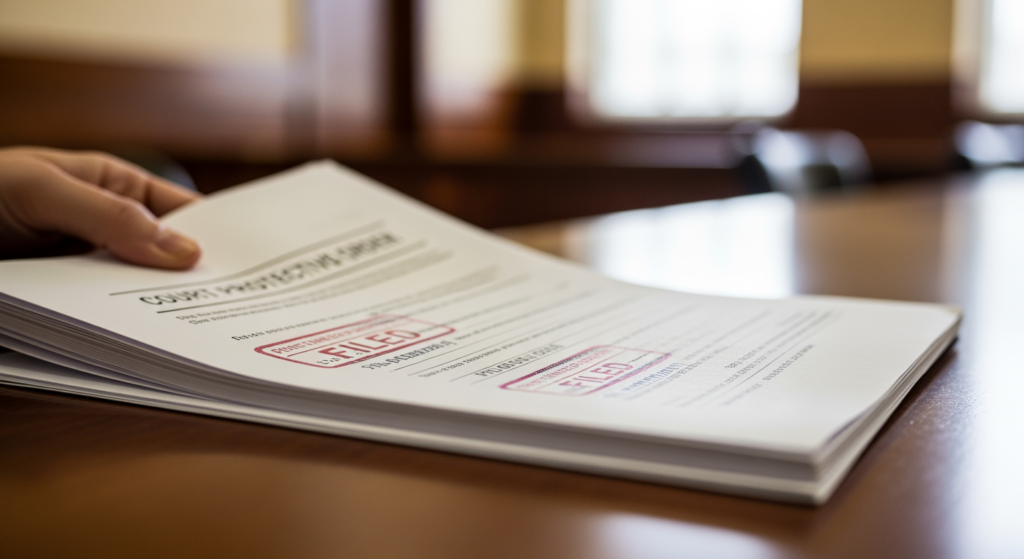
Restraining orders can show up fast in a criminal case, and they can change your day-to-day life before you’ve had a real chance to understand what’s happening. If you’re the person asking for protection, the person being restricted, or a family member trying to make sense of the paperwork, this guide is for you. The details matter because these orders can affect where you can go, who you can contact, and what you can say or do—sometimes with immediate consequences if the order is violated. In the summer months, busy schedules and travel can make it easier to accidentally cross paths or misunderstand boundaries, which is one reason clarity is so important. This article explains the basics in plain language so you can recognize what an order typically does, how it fits into the court process, and where to learn more.
For a broader foundation on how defense fits into the justice system, see Understanding the Role of Criminal Defense in Protecting Your Rights.
Bottom Line Upfront: Key Points on Restraining Orders
- These orders are court directives that restrict contact or behavior to reduce risk while a matter is pending.
- They can be issued quickly and may take effect as soon as you’re served or notified, depending on the situation and local procedure.
- Terms can be specific (no contact, stay-away distances, location limits, firearm restrictions, or temporary custody/visitation terms in some systems).
- Violations can trigger new legal problems, including arrest or additional charges, even if the underlying case hasn’t been decided.
- Details vary by state and court, so reading the exact language of the order is essential.
How Restraining Orders Typically Work in a Criminal Court Process
In simple terms, a restraining order is a court order that tells someone to stop certain conduct—most commonly contacting or approaching a specific person. In criminal cases, these orders often appear alongside an arrest, a criminal complaint, or pretrial release conditions (sometimes called “conditions of release” or “bond conditions”).
While names and procedures vary by jurisdiction, the process often looks like this:
- Request or court-imposed condition: An alleged victim may request protection, or a judge may impose restrictions as part of release terms.
- Temporary order stage: A short-term order may be issued first, sometimes based on initial information, to address immediate safety concerns.
- Notice and a court date: The restricted person is typically given notice and a chance to appear at a later hearing where the order may be continued, changed, or ended.
- Final or longer-term order: Some systems allow longer orders after a hearing; others rely more heavily on ongoing criminal-case conditions.
Important vocabulary, in plain English:
- “No contact” usually means no calls, texts, DMs, emails, gifts, or messages through friends.
- “Stay away” often means keeping a set distance from a person, home, school, or workplace.
- “Peaceful contact” exceptions (if allowed) may be limited and specific—such as communication only through attorneys or only about childcare logistics.

The Real-World Consequences: Housing, Family, and Your Record
Even when an order is temporary, it can have practical ripple effects. Understanding those impacts can help you ask better questions and avoid accidental missteps.
- Daily logistics: You may need new routines for work, school drop-offs, shared social spaces, or living arrangements.
- Family and parenting: Some orders include restrictions related to children or exchanges. If parenting is involved, small details (pickup locations, third-party exchanges) can matter.
- Digital life: “No contact” can include social media interactions, tagging, commenting, or using mutual friends to pass messages.
- Employment and professional licensing: Certain jobs have policies about court orders, workplace proximity, or weapons restrictions.
- New allegations: A reported violation can become a separate issue, sometimes with its own court dates and penalties.
None of this means a specific outcome will happen in any individual case. It’s simply why these orders tend to be treated seriously by courts and why the exact wording matters.
Common Missteps to Avoid (Quick Checklist)
- Assuming “they contacted me first” makes it okay: Many orders restrict your contact regardless of who initiates.
- Using a friend as a messenger: “Third-party contact” is often prohibited or treated as a workaround.
- Relying on verbal “permission”: A protected person saying “it’s fine” may not change a court order’s terms.
- Not reading the distance/location rules carefully: Stay-away terms can include places, not just people.
- Forgetting about digital contact: Likes, reactions, comments, and DMs may be treated as contact.
- Missing the hearing date: Failing to appear can limit your ability to be heard about the order’s scope.

A Practical Action Plan for Understanding and Following the Order
- Get a complete copy of the order and keep it accessible (paper or secure digital copy).
- Highlight the key terms: who is protected, what contact is banned, distances, places, and any exceptions.
- Write down “safe routes” and “no-go zones” if locations are restricted (workplaces, schools, residences).
- Set communication boundaries: if any communication is allowed, note the method, topic limits, and times (if stated).
- Document compliance steps you take (for example, changing routines or arranging third-party property exchange) in a factual, non-editorial way.
- Prepare for the hearing by organizing documents and questions about unclear terms (not arguments via text messages).
Professional Insight: The “Gray Area” That Causes the Most Trouble
In practice, we often see problems arise not from dramatic confrontations, but from everyday ambiguity—shared kids’ activities, overlapping friend groups, or quick “logistics” messages that feel harmless. Courts and law enforcement may still treat those interactions as contact if the order doesn’t clearly allow them, which is why people benefit from focusing on the exact wording instead of assumptions about intent.
When It’s Time to Get Legal Help (Clear Triggers)
This article is educational and not legal advice. If any of the situations below apply, getting guidance from a qualified attorney in your jurisdiction may be especially important:
- You were served with an order and don’t understand the terms (especially distance rules, exceptions, or “third-party contact”).
- A hearing is scheduled where the order could be extended or changed.
- There are shared housing or parenting issues that make compliance difficult.
- You’ve been accused of violating the order or believe a report may be made.
- The order affects firearms, employment, or licensing and you need clarity on what’s restricted.
Common Questions People Have
Is a protective order the same thing as a criminal charge?
No. It’s typically a court restriction meant to manage safety or contact issues. A criminal charge is a formal allegation of a crime. They can exist together, but they’re not identical.
How long do these orders usually last?
It depends on the type of order and the jurisdiction. Some are temporary until a hearing, while others can last longer after a court proceeding. The paperwork should list dates or conditions for expiration.
Can the protected person “drop” the order?
In many systems, only the court can change or end a court order. Even if both people agree, the order may remain in effect until a judge modifies it.
Does “no contact” include social media?
Often, yes—depending on the order’s language and how local courts interpret “contact.” If the order is unclear, it’s safer to treat online interaction as prohibited until you get qualified guidance.
What happens if you accidentally violate the terms?
Consequences vary by jurisdiction and facts. An alleged violation can lead to police involvement, arrest, or additional court action. If you think a misunderstanding occurred, an attorney can explain how these situations are typically addressed locally.
Where to Go from Here
Restraining orders can be confusing because they blend legal language with real-life boundaries—often under time pressure. Start by reading the exact terms, identifying what’s prohibited, and planning your routines to avoid accidental contact. If a hearing is coming up or the order affects housing, parenting, or work, consider speaking with a qualified local attorney for advice tailored to your situation. And if you’re learning the court process for the first time, building a solid baseline understanding can make every next step feel less overwhelming.
Learn More About Our Services
Discover how we can help you achieve your goals.