
Planning a public defender consultation can feel like trying to study for a final you didn’t know you had—high stakes, limited time, and a lot of unfamiliar vocabulary. This case-study style guide is for people who’ve been arrested, received a court date, or are supporting someone who has, and want to understand what a first meeting with a public defender may cover. It matters because early conversations can shape what information gets preserved, what deadlines get tracked, and what questions get answered (or missed). For a broader foundation on how defense representation fits into the process, see Understanding the Role of Criminal Defense in Protecting Your Rights.
Important: This article is educational information, not legal advice. Laws and procedures vary by jurisdiction, and only a qualified attorney can advise you about your specific facts.
Bottom Line Upfront: What This Case Study Shows
- A first meeting is often about eligibility, immediate risks, and next court dates, not a full trial strategy.
- Bringing paperwork and a clear timeline can help the conversation stay focused.
- Expect questions about prior history, witnesses, and any contacts with police; details matter.
- It’s normal for some questions to be answered with “it depends,” because discovery and court rules vary.
- If you’re unsure whether you qualify for a public defender, ask what financial screening is required and what documents to bring.
Case Background: One Arrest, Two Different First Meetings
Scenario (composite example): “Alex” is arrested after an argument outside a bar. Police allege simple assault and disorderly conduct. Alex is released with a summons and a first appearance date. Alex has a job, no prior convictions, and is anxious about missing work and having a record.
Alex’s first legal step is scheduling an initial conversation with the public defender’s office. The goal isn’t to “win the case” in one visit—it’s to understand what’s happening, what’s next, and what information needs to be gathered.
What Made This Situation Hard (And Common)
Alex’s biggest challenge wasn’t just the charge—it was uncertainty. Like many people, Alex didn’t know what information mattered, what could accidentally make things worse, or how quickly deadlines can arrive. Alex also assumed the first meeting would include a full review of evidence, but at that stage the office may not yet have police reports, body-cam footage, or witness statements.
On top of that, Alex’s memory of the incident was fuzzy (late night, stress, conflicting stories). That’s typical—and it’s exactly why organized notes and documents can be helpful.
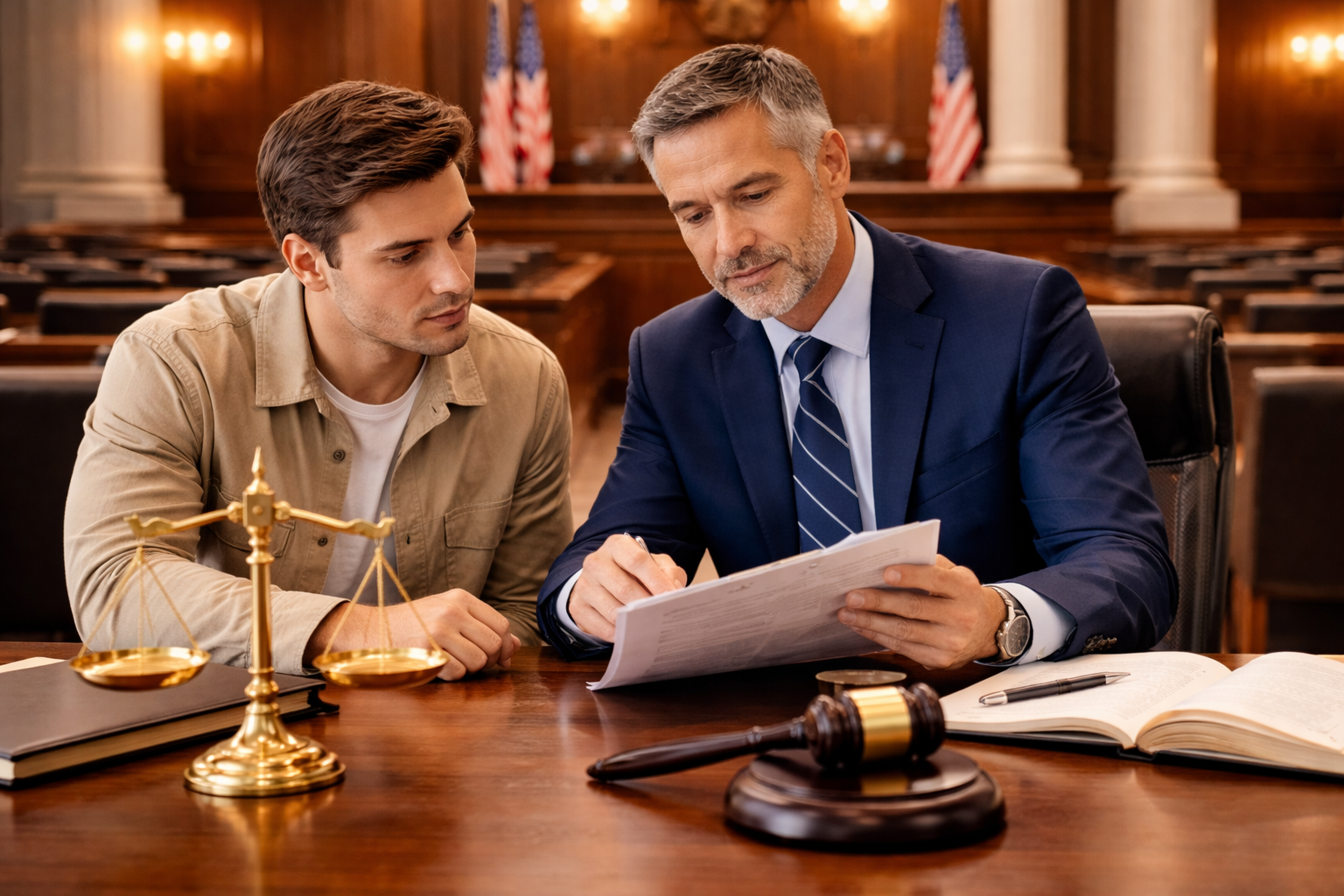
How the Consultation Usually Works: A Practical Walkthrough
In this case study, Alex’s consultation followed a pattern many people report, though exact steps vary by jurisdiction and office procedures:
- Intake and eligibility screening: Alex is asked about income, household size, and basic financial documents. Some places do this before an attorney meeting; others do it the same day.
- Charge and court-date confirmation: The office confirms the charges listed on the paperwork and the next scheduled appearance.
- Immediate risk check: The discussion focuses on near-term issues—protective orders, no-contact conditions, travel restrictions, or potential warrants for missed court.
- Initial fact timeline: Alex gives a short, chronological account: what happened before, during, and after police contact.
- Evidence and witnesses triage: Alex identifies possible witnesses, videos, receipts, messages, or social posts that might exist.
- Next steps and expectations: The attorney (or staff) explains what happens next: requesting discovery, future hearings, and how communication will work.
Notice what’s missing: a guaranteed prediction, a promise of dismissal, or a one-size-fits-all plan. Early stages often involve building a reliable record of facts and preserving information.
The Real Stakes: What Can Be Affected Early
Even when a case feels “minor,” early missteps can create bigger headaches later. In Alex’s situation, the consultation had practical implications in several areas:
- Time: Missing a court date or misunderstanding conditions can lead to additional legal trouble.
- Employment and scheduling: Knowing upcoming hearings helps plan work coverage and avoid avoidable absences.
- Pretrial conditions: No-contact orders or location restrictions can affect housing, family contact, and daily routines.
- Evidence preservation: Videos can be overwritten; witnesses can become hard to locate; messages can be deleted.
- Communication risk: Reaching out to a complaining witness or posting online can create complications in some cases.
Common Missteps Before a First Meeting (Checklist)
- Showing up with no documents: Bring summons/complaint, bail paperwork, prior court notices, and any conditions of release you received.
- Giving a “story” instead of a timeline: A clear sequence (who/what/when/where) is often more useful than conclusions about fairness.
- Leaving out prior contacts with the system: Prior cases, even old ones, may affect how a case is handled or scheduled.
- Guessing about evidence: If you’re unsure, say so—don’t fill gaps with assumptions that later conflict with records.
- Contacting others about the incident: Messages to witnesses or the complaining party can be misread or escalated.
- Expecting a full evidence review immediately: Discovery may not be available at the first meeting.

A Smart Prep List for Your Meeting (Checklist)
- Write a short timeline: 8–12 bullet points from the start of the day to the end of police contact.
- List potential evidence sources: Names of bars/restaurants, nearby cameras, rideshare receipts, phone photos, or messages (without editing them).
- Bring identification and any financial documents requested: Requirements vary, so confirm what the office wants.
- Prepare 5 key questions: Next court date, conditions you must follow, how discovery is requested, how to communicate updates, and what to do if you can’t attend a hearing.
- Be ready to discuss prior history accurately: If you don’t remember dates, note approximate years and locations.
- Keep notes after the meeting: Record names, dates, and any instructions you were given.
Professional Insight: The Detail People Forget to Mention
In practice, we often see people focus on the argument itself and skip the “boring” parts—like how police contact began, who called 911, whether anyone recorded the incident, and what happened immediately afterward. Those details can matter because they help a lawyer spot inconsistencies, identify additional witnesses, and understand what evidence might exist beyond the initial allegation.
When It’s Time to Seek One-on-One Legal Help
Because every case turns on specific facts and local procedure, consider getting direct legal support if any of the following are true:
- You have a pending court date and aren’t sure what you must do before it.
- There are protective/no-contact orders, or you’re uncertain about release conditions.
- The allegation involves injury, weapons, or multiple charges.
- You believe there may be video, digital messages, or witnesses that need to be identified quickly.
- You’re worried about immigration, licensing, employment, or school consequences tied to a criminal case.
Reminder: This resource is informational only and does not provide legal advice.
Your Questions, Answered About the First Meeting
What should I bring to an initial meeting with a court-appointed lawyer?
Bring any paperwork you received (summons/complaint, release conditions, future court notices), photo ID, and any documents the office requests for financial screening. A written timeline and witness list can also help.
Will my attorney have police reports or video at the first appointment?
Sometimes, but not always. In many places, evidence (often called discovery) is requested and received after the case is opened and the prosecutor provides materials under local rules.
Can I ask about possible outcomes in the first conversation?
You can ask what factors typically affect case resolution and what the process looks like. A lawyer may not be able to give a reliable assessment until they review the charging documents, discovery, and court history.
What if I don’t qualify financially for a public defender?
Eligibility rules vary. If you’re found ineligible, you can ask what options exist in your jurisdiction, including whether private counsel or other programs may be available.
Is everything I say in the meeting confidential?
Attorney-client confidentiality rules generally apply to legal consultations, but the exact scope and any exceptions can depend on local law and the nature of the communication. If you have concerns, ask the lawyer to explain confidentiality at the start.
Where to Go from Here
A first consultation is often less about courtroom drama and more about organization: confirming charges, understanding conditions, protecting timelines, and identifying evidence. Alex’s case study highlights a simple truth—being prepared can make the conversation more productive, even when answers aren’t immediate. If you’re facing a criminal allegation, learning the process can reduce surprises and help you ask better questions. For advice about your specific situation, speak with a qualified attorney in your jurisdiction.
Get Your Free Quote
Find out how we can help with a no-obligation quote.