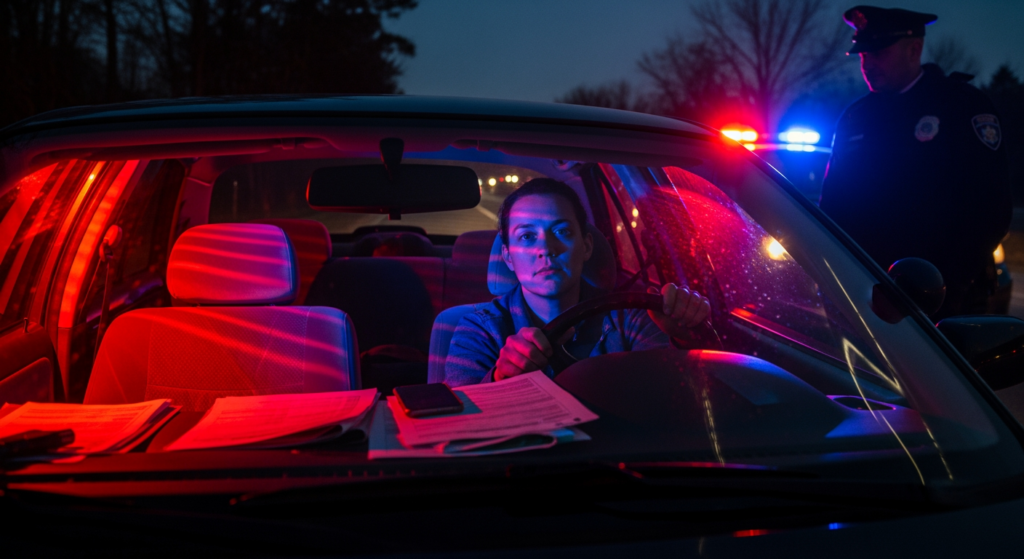
Memorial Day weekend often means more drivers on the road—and more chances of being pulled over—so it’s a smart time to refresh your understanding of traffic stops rights. This guide is for drivers and passengers who want a clear, practical overview of what typically happens during a stop, what officers may ask, and where the legal “lines” often are. Knowing the basic rules can help you stay calm, communicate clearly, and avoid misunderstandings that can escalate a routine stop into something more serious. Because procedures can vary by state, it also helps to understand the bigger picture of how traffic stop and search rules fit into the criminal justice process.
For a broader foundation on how these processes generally work and why jurisdictional differences matter, see Understanding Criminal Defense Procedures: Key Concepts and Framework.
The Essentials for Memorial Day Stops
- You can ask if you’re free to leave once the stop’s purpose is complete; if the officer says no, you’re being detained.
- You can decline consent to a search in many situations; declining consent is different from physically resisting.
- You generally must provide required documents (commonly license, registration, proof of insurance), but requirements can differ by state.
- What you say matters; staying polite and limiting small talk can reduce misunderstandings.
- Passengers may have separate obligations (like identifying themselves in some states) and separate rights.
How Traffic Stops and Searches Typically Work
A traffic stop usually starts with an officer observing a driving-related reason to pull a vehicle over (for example, a moving violation or equipment issue). The officer will typically approach, explain (or imply) the reason for the stop, and request documents. Depending on what the officer observes and what’s said during the interaction, the stop may remain brief—or expand into questions, field sobriety testing, a citation, or an arrest.
Search issues often come up in two common ways: (1) an officer asks for permission to search, or (2) an officer searches without asking, relying on a legal basis they believe applies. The legal standards for searches can be fact-specific and vary by jurisdiction. As a practical matter, it can help to separate three ideas: consent (you say yes), authority (the officer says they can search), and compliance (you remain calm and don’t interfere while preserving your ability to challenge the search later through legal channels).

Why Holiday Timing Can Raise the Stakes
Holiday travel can change the practical dynamics of a stop: more congestion, more late-night driving, and more drivers unfamiliar with local roads. Even when enforcement priorities aren’t formally “different,” the real-world environment can increase the chance that an officer views a situation as higher risk or more urgent.
What can be at stake may include: additional citations, a vehicle search, towing/impound issues, license consequences, court dates, and—depending on allegations—criminal charges. If alcohol or controlled substances are suspected, the consequences can become more serious quickly. Also, time matters: the sooner you document what happened and understand your options, the easier it is for a qualified professional to evaluate the situation accurately.
Common Roadside Mistakes to Avoid (Quick Checklist)
- Arguing the violation on the shoulder — roadside debates rarely help and can escalate tension; disputes are typically handled later through the proper process.
- Consenting to a search without thinking it through — consent can broaden what officers can look at; you can ask what they’re requesting and consider your response.
- Making sudden movements — reaching quickly into pockets, consoles, or glove boxes can be misread; narrate what you’re doing when retrieving documents.
- Oversharing — casual explanations (“I only had two…”) can create confusion or be interpreted in ways you didn’t intend.
- Recording in a way that interferes — rules vary; if you record, keep it passive and don’t obstruct or distract.
- Forgetting to capture details afterward — once safe, write down time, location, badge/name if known, what was asked, and what you said.
A Smart Memorial Day Action Plan (Before, During, After)
- Before you drive: confirm your license status, registration, and insurance are current and accessible.
- Do a quick vehicle check: lights, plates, and obvious equipment issues that commonly trigger stops.
- If you’re pulled over: signal, pull to a safe spot, lower the window, keep hands visible, and wait for instructions.
- Communicate clearly: provide required documents; if you don’t understand a request, ask for clarification.
- Set boundaries calmly: if asked for consent to search and you want to decline, do so politely and without confrontation.
- After the stop: document what happened while it’s fresh; keep paperwork; note any witnesses or dashcam footage.
Professional Insight: What Most People Miss on Holiday Weekends
In practice, we often see that the turning point in a stop isn’t the initial reason for the pull-over—it’s the conversation that follows. People try to “talk their way out of it,” fill silence with explanations, or agree to requests they don’t fully understand, and that can unintentionally expand the scope of the encounter.

When It’s Time to Talk to a Lawyer
Consider getting qualified legal help if any of the following happened during or after a stop:
- You were arrested or cited for a criminal offense (not just a routine traffic ticket).
- A search occurred and you’re unsure of the legal basis or whether you consented.
- Field sobriety tests or chemical testing were requested, refused, or disputed.
- Your vehicle was towed or impounded and you need to understand the process and potential consequences.
- You believe your rights were violated and want to understand potential remedies and next steps.
Frequently Asked Questions About Holiday Traffic Stops
Do I have to answer questions beyond providing my documents?
Requirements vary by state and situation. In many cases, you must provide certain identifying information and documents, but other questions may be optional. A local attorney can explain what applies where you are.
Can I say no if an officer asks to search my car?
In many situations, yes—you can decline consent. Officers may still search if they believe another legal basis applies. If a search happens, staying calm and documenting what occurred afterward can be important.
What should passengers do during a stop?
Passengers typically should stay seated, keep hands visible, and avoid interrupting. Whether a passenger must identify themselves can depend on state law and the circumstances.
Is it okay to record a traffic stop?
Rules can differ by jurisdiction, and recording must not interfere with the officer’s duties. If you choose to record, it’s generally safer to do so passively and respectfully.
What information should I write down after the stop ends?
When you’re in a safe place, note the time and general location, the reason given for the stop, what questions were asked, whether consent was requested, and what actions occurred (tests, searches, tow, citations).
Moving Forward After a Memorial Day Stop
Knowing your options during a stop can help you stay composed and avoid common missteps that complicate a situation. Holiday travel can add pressure, but a simple plan—documents ready, calm communication, and careful documentation afterward—can make a meaningful difference. If the stop involved a search, an arrest, or allegations beyond a basic ticket, getting professional guidance can help you understand what the process may look like in your jurisdiction.
Book Your Consultation
Schedule a free consultation with our experts.
Disclaimer: This article is for general educational information only and does not provide legal advice. Laws and procedures vary by jurisdiction. For advice about your specific situation, consult a qualified attorney.