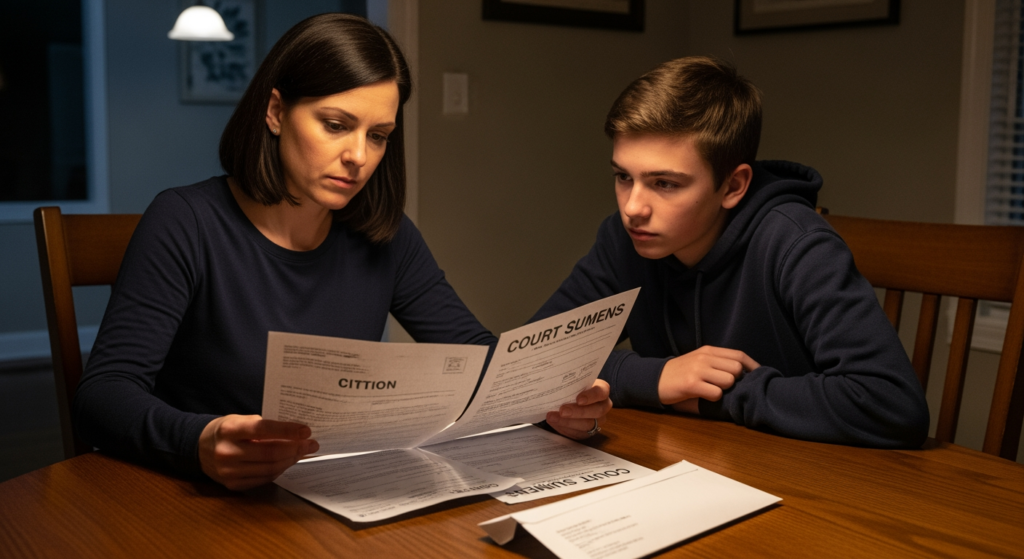
Underage drinking charges can feel confusing and outsized—especially for teens, college students, and parents who are trying to understand what a citation or arrest could mean beyond “just a mistake.” As spring brings more graduations, parties, and get-togethers, it’s also a time when questions about alcohol-related enforcement tend to come up. This FAQ-style guide explains common terms, what typically happens after an incident, and why the details (age, location, identification issues, prior history, and local rules) can change the process. It’s educational information, not legal advice, and it’s designed to help you ask better questions and understand the moving parts before you speak with a qualified attorney. For a broader roadmap of how cases often move through the system, see Understanding the Criminal Justice Process.
The Essentials on Underage Drinking Allegations
- “Underage drinking” can involve different allegations (possession, consumption, purchase attempts, fake ID, or providing alcohol to minors), depending on the facts and jurisdiction.
- Consequences aren’t only about fines—they may include court requirements, school discipline, licensing issues, or records-related concerns.
- The process matters as much as the charge label: whether it’s a citation, arrest, diversion referral, or juvenile petition can change next steps.
- Small details can be legally significant, such as where the incident occurred, how identification was checked, and what was said to officers.
- Rules vary by state and sometimes by local practice, so it’s important to confirm how your jurisdiction handles youth alcohol cases.
How Underage Drinking Charges Typically Work
In everyday terms, these cases usually start with an encounter: an officer responds to a party, a school event issue, a traffic stop, or a complaint at a park or venue. From there, the situation may result in a warning, a citation (ticket), a referral to a juvenile process (if the person is under 18), or an adult-style criminal case (more common for older teens and college-age individuals, depending on the state and the alleged offense).
It also helps to separate the behavior from the legal theory. “Underage drinking” is a broad phrase, but the actual allegation might be:
- Possession of alcohol (even without proof of consumption)
- Consumption (sometimes inferred from observations or testing, depending on local rules)
- Attempting to purchase alcohol
- Using or possessing false identification
- Providing alcohol to minors (often treated more seriously)
Because terminology and procedures differ across jurisdictions, two people can describe the same event and still face very different paperwork, court tracks, and potential outcomes.

Why These Cases Can Affect More Than Court
People often focus on whether there will be a fine, but the ripple effects can be broader. Depending on the jurisdiction and the person’s situation, an alcohol-related allegation may affect:
- Time and logistics: court dates, classes/programs, community service requirements, or probation-style check-ins.
- School consequences: student conduct proceedings, athletics eligibility, or campus disciplinary action (separate from court).
- Driving and licensing: some states impose license-related penalties for alcohol offenses involving minors, even if no driving occurred.
- Records and background checks: whether something is public, sealed, expungable, or visible to schools/employers can depend on age and charge type.
- Family stress and future planning: college applications, scholarships, internships, and professional licensing questions can become more complicated.
None of these impacts are automatic in every case, but they’re common reasons people seek clarity early.
Common Missteps to Avoid (Quick Checklist)
- Assuming it’s “just a ticket” — Some citations still lead to court obligations or a record, depending on how your state classifies the offense.
- Missing deadlines or court dates — Failing to respond can create additional problems that are harder to unwind later.
- Talking casually about the incident — Statements to friends, school staff, or on social media can be misunderstood or later referenced.
- Overlooking related allegations — Fake ID, disorderly conduct, trespass, or furnishing alcohol can be charged alongside the core allegation.
- Ignoring school or campus process — Administrative consequences can proceed on a separate timeline from court.
- Relying on “my friend had the same thing” — Procedures and outcomes can vary widely by jurisdiction, age, and prior history.
A Practical Prep Plan (What Helps Most)
- Collect documents: citation, complaint/summons, release paperwork, and any notices from court or school.
- Write down a timeline: where you were, who was present, and what happened—while it’s still fresh.
- Identify the forum: juvenile court process vs. adult court process vs. campus discipline (they can overlap).
- Track deadlines: response dates, court appearances, program enrollment deadlines, and school hearing dates.
- Prepare questions: what the charge means locally, what the typical pathway is, and what records implications may exist.
- Keep communications organized: save emails/letters and note who you spoke with and when.
Professional Insight: The Detail That Often Changes the Whole Story
In practice, we often see that the most consequential difference isn’t the headline allegation—it’s the context: whether there’s an ID issue, whether alcohol was in a shared space (like a car or dorm), whether anyone was accused of providing alcohol to others, and how the report describes what officers observed. Those “small” facts can shape which process applies and what options are even on the table.

When It’s Time to Talk to a Criminal Defense Lawyer
This site is educational and does not provide legal advice. That said, many people consider getting professional help when any of the following are true:
- The person is under 18 and the matter appears headed into a juvenile court process.
- There’s a related allegation such as fake ID, furnishing alcohol, disorderly conduct, or resisting/obstruction.
- There was a vehicle involved, even if the allegation isn’t DUI—because licensing consequences can be complex.
- The school/campus has opened a case and there are parallel proceedings.
- There are prior incidents (even if they seem minor), which may affect eligibility for diversion or informal resolution.
- You’re unsure what the paperwork requires or you’re worried about deadlines, records, or future applications.
Your Questions, Answered About Youth Alcohol Cases
Is “minor in possession” the same thing as drinking?
Not always. In many jurisdictions, possession and consumption are separate concepts. Someone may be cited for having alcohol in their control even if there’s no allegation they drank it, but the exact definitions vary by state.
Can a parent be charged if alcohol is found at a party?
It depends on the jurisdiction and the facts. Some laws focus on furnishing or allowing minors to consume alcohol on property, while others may require proof of knowledge or specific conduct. Local rules and enforcement practices can also matter.
Will this automatically show up on background checks?
Record visibility depends on how the case is classified (juvenile vs. adult), the charge type, and state record rules. Some matters may be eligible for sealing or expungement later, but eligibility and process vary.
What if a fake ID is involved?
False identification can be treated as a separate allegation from alcohol possession or consumption. In some places, it may carry different penalties and longer-term record concerns than the alcohol-related citation itself.
Do school consequences wait for the court case to finish?
Often, no. Schools and colleges can run their own disciplinary processes on separate timelines and under different standards than criminal court. It’s common for both processes to move forward at the same time.
Moving Forward With Clarity
Underage alcohol allegations can involve more than one rulebook—criminal law, juvenile procedures, school policies, and licensing regulations may all play a role. The most helpful next step is usually getting organized: documents, timeline, and deadlines. If you’re unsure what you’re facing, a qualified criminal defense attorney can explain how your local system typically handles these cases. Use this guide to frame your questions and understand the process before making decisions.
Get in Touch
Fill out our quick form and we’ll get back to you within 24 hours.