Disclaimer: This article is for general educational purposes only and is not legal advice. Laws and court rules vary by jurisdiction, and you should talk with a qualified attorney about your specific situation. As spring brings a sense of “fresh starts,” it’s also a good time to learn how key court steps work before you ever need them.
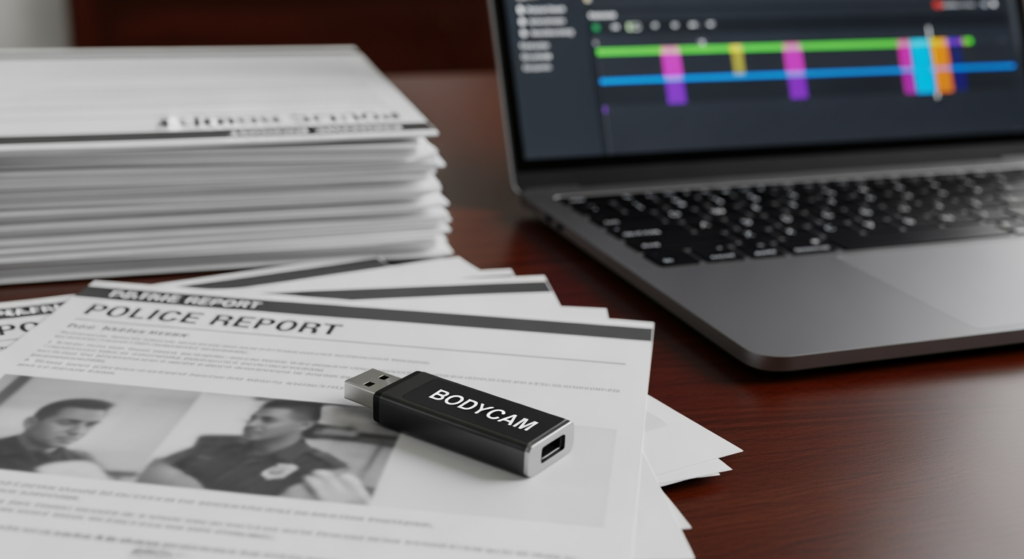
If you’re facing charges, supporting a loved one, or simply trying to understand the court process, criminal discovery is one of the most important (and most misunderstood) stages. It’s the part of a case where each side exchanges information—things like police reports, witness lists, videos, and lab results—so the case isn’t built on surprises. Understanding what discovery is (and what it isn’t) can help you follow what your lawyer is doing, ask better questions, and avoid common mistakes that can make a stressful situation worse. For a broader look at how cases move through court, see Understanding the Criminal Justice Process.
Bottom Line Upfront: Discovery Basics
- Discovery is information exchange between prosecution and defense, usually guided by court rules and deadlines.
- It can include many formats—documents, videos, lab reports, digital data, and witness-related materials.
- Not everything is automatically shared; some items may be limited, delayed, or protected under specific rules.
- Discovery can shape strategy by revealing strengths, gaps, and inconsistencies in the evidence.
- Timing matters; delays or missed deadlines can affect hearings, negotiations, and trial preparation.
- How it works varies by state and court, so local rules and the judge’s orders can be critical.
How Criminal Discovery Actually Works in Court
Discovery is the process of sharing case-related information so both sides can prepare. In many criminal cases, the prosecution provides materials it intends to use (or that rules require it to disclose), and the defense may also have disclosure duties—especially if the defense plans to present certain evidence or call particular witnesses at trial.
What gets exchanged depends on the charges, the court’s rules, and what exists in the file. Common categories can include:
- Police materials: incident reports, supplemental reports, dispatch logs, and officer notes (where available under local rules).
- Witness information: names, prior statements, or summaries (how much you get and when can vary).
- Media evidence: body-worn camera footage, dashcam video, surveillance video, photos, and 911 audio.
- Forensics and lab work: test results, chain-of-custody records, and sometimes underlying data or bench notes.
- Digital evidence: phone extractions, social media captures, GPS data, and metadata (often technical and time-consuming to review).
Discovery is often delivered in waves rather than all at once. New items can appear later (for example, after a lab finishes testing, or when additional video is located). Courts may also issue protective orders that limit who can view certain materials and how they can be stored or shared.
Why Discovery Can Change the Direction of a Case
Even when the accusation sounds straightforward, the details inside the evidence can be complicated. Discovery can affect a case in practical ways, including:
- Time: Reviewing footage, transcripts, and digital downloads can take significant time, especially in cases with large data sets.
- Cost: Some cases require expert review (forensics, medical issues, digital analysis), and that can increase expenses.
- Decisions about hearings and motions: Discovery may reveal reasons to ask the court to exclude evidence, request more information, or challenge how evidence was collected.
- Plea discussions: Negotiations often depend on the strength and clarity of the evidence and how it’s likely to be presented.
- Trial preparation: Discovery helps both sides plan witness questioning, timelines, and exhibits.
It’s also where misunderstandings can arise. People sometimes assume “if it’s true, the paperwork will prove it.” In reality, discovery can contain errors, incomplete narratives, or missing context—one reason careful review matters.
Common Discovery Mistakes to Avoid (Checklist)
- Assuming discovery is instant: Evidence often arrives gradually, and delays can be normal depending on labs, agencies, or court scheduling.
- Thinking “no discovery” means “no case”: Sometimes materials exist but haven’t been produced yet, or access is limited by rule or court order.
- Sharing materials casually: Photos, videos, or witness information may be restricted by protective orders; violations can create serious problems.
- Over-focusing on one document: A single report rarely tells the full story; cross-checking video, audio, and timelines is often key.
- Posting about the case: Public statements can create new evidence, affect credibility, or complicate defense strategy.
- Missing deadlines for defense disclosures: In some cases, the defense must provide certain notices or materials by specific dates.

A Smart, Beginner-Friendly Plan for Handling Discovery (Checklist)
- Ask what categories have been requested and received: A simple inventory mindset helps you understand what’s still outstanding.
- Request an “evidence index” if available: Many offices track what was produced and when; it helps avoid confusion.
- Write down a timeline from your perspective: Dates, times, locations, and who was present can help counsel compare your account to the evidence.
- Preserve your own relevant materials: Receipts, messages, call logs, photos, or location history may matter—don’t delete or alter anything.
- Keep communications organized: Use one place to track court dates, documents received, and questions for your attorney.
- Clarify any restrictions: If there’s a protective order or confidentiality rule, understand what you can and can’t do with the materials.
Professional Insight: What Most People Miss About Discovery
In practice, we often see people focus on whether a single piece of evidence “proves” something, when the more useful question is how all the materials fit together—especially timelines, consistency across statements, and whether key details are supported (or contradicted) by objective sources like video or digital records.
When It’s Time to Get Legal Help With Discovery
Because discovery rules can be technical and vary by jurisdiction, it’s often worth getting professional guidance when:
- You’re charged with a crime and evidence includes video, forensics, or extensive digital data.
- You believe evidence is missing (for example, a video you were told exists but hasn’t been produced).
- You’re asked to provide statements, devices, or passwords and you’re unsure of your rights or obligations.
- There’s a protective order or restrictions on what can be shared or copied.
- Deadlines are approaching for motions, hearings, or trial-related disclosures.
If you’re already represented, you can ask your attorney what has been received, what is outstanding, and what the next procedural steps are in your specific court.
Common Questions People Ask About Evidence Exchange
Do both sides have to share information?
Often, yes—but the scope is not always equal. Prosecutors typically have defined disclosure duties, and the defense may also have obligations in certain situations (such as expert evidence or specific trial defenses), depending on local rules.
Will I automatically get every police note or internal memo?
Not necessarily. What’s discoverable can depend on jurisdictional rules, privilege protections, and court orders. Some materials may be summarized, limited, or reviewed under special procedures.
What if the video or lab results show up late?
Late production can happen for many reasons, including processing time or delayed collection. Courts may address timing issues through scheduling changes, additional review time, or other orders, depending on the circumstances.
Can I keep copies of everything I receive?
Sometimes yes, sometimes no. Protective orders and privacy rules can limit copying, storage, or sharing—especially for sensitive witness information or certain recordings.
Does reviewing discovery mean my case is going to trial?
No. Evidence review is part of preparing for multiple possible paths in a case, including negotiations, hearings, or trial. The process helps inform decisions, but it doesn’t dictate the outcome.
Where to Go from Here
Discovery is the stage where the paper (and video, and data) behind a criminal case starts to come into focus. Knowing what it is, what it can include, and why timing and rules matter can make the process less confusing. If you’re involved in a case, organized questions and careful handling of materials can help you communicate more effectively with counsel.
Learn More About Our Services
Discover how we can help you achieve your goals.